How to Use Voice Messages Thoughtfully in Chats
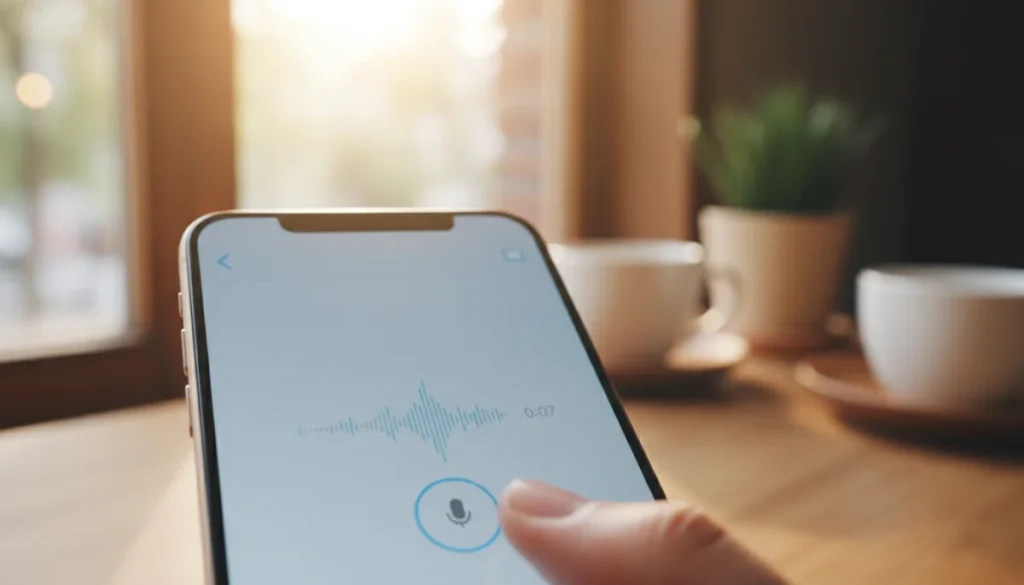
Thoughtful voice messages enhance communication in personal and group chats by balancing convenience with consideration for recipients, fostering clearer and more respectful digital interactions.
In an increasingly digital world, communication methods are constantly evolving. Among these, voice messages have emerged as a popular tool, offering a blend of personal touch and convenience. But how to use voice messages thoughtfully in personal and group chats to truly enhance connections?
Understanding the appeal of voice messages
Voice messages have become a ubiquitous feature in modern messaging applications, transforming how we communicate. Their popularity stems from a unique blend of efficiency and personal connection. Unlike text, a voice message conveys tone, emotion, and nuance, making conversations feel more human and less transactional. This can be especially valuable in personal relationships where emotional context is crucial.
For many, voice notes offer a convenient alternative to typing, particularly when on the go or when a message is too complex to write out quickly. They allow for a more natural flow of thought, reducing the time and effort often associated with composing lengthy texts. However, this ease of use also brings a responsibility to consider the recipient’s experience, ensuring that convenience for the sender doesn’t translate into burden for the listener.
The convenience factor
Voice messages provide unparalleled convenience for the sender. Speaking is generally faster than typing, allowing for quick dissemination of information or thoughts. This is particularly useful when hands are occupied, such as when driving, cooking, or exercising. It also eliminates the need for perfect grammar or spelling, as the spoken word often carries more weight than its written counterpart.
- Speed of communication: Quicker to speak than to type lengthy messages.
- Multitasking ability: Allows sending messages while engaged in other activities.
- Reduced cognitive load: Less effort required compared to composing detailed texts.
- Accessibility: Beneficial for individuals with typing difficulties or visual impairments.
The ability to convey a message without constant attention to a screen can significantly streamline daily communication. This convenience, however, should not overshadow the need for clear and concise delivery. A thoughtful approach ensures that the recipient can also benefit from the efficiency of this communication method.
Adding a personal touch
Beyond mere efficiency, voice messages excel at adding a personal dimension to digital interactions. The sound of a familiar voice can be incredibly comforting and reassuring, especially across distances. It helps in maintaining a sense of closeness that text messages often lack, fostering deeper connections.
Voice notes allow for the expression of emotions that are difficult to capture in text. A laugh, a sigh, or a particular inflection can entirely change the meaning of a message. This emotional richness helps to prevent misinterpretations and builds empathy between communicators. It transforms a simple exchange of information into a more meaningful interaction, strengthening bonds in both personal and professional contexts.
The appeal of voice messages lies in their dual capacity for convenience and emotional depth. They offer a flexible and expressive way to communicate, but their effectiveness is maximized when used with consideration and intent. Understanding these core benefits is the first step in learning how to use voice messages thoughtfully in personal and group chats.
etiquette for sending voice messages
While voice messages offer a unique blend of intimacy and convenience, their effectiveness hinges on proper etiquette. Sending thoughtful voice messages requires consideration for the recipient’s time, context, and preferences. It’s about ensuring your message is not just heard, but also appreciated and easily understood.
The golden rule for voice message etiquette is to respect the listener. Before hitting record, ask yourself if a voice note is truly the best format for your message. Is it something that could be quickly typed, or does it genuinely benefit from the nuances of your voice? This initial assessment helps prevent unnecessary or inconvenient audio recordings.
Keep it concise and to the point
One of the most common pitfalls of voice messages is excessive length. While it’s easy to ramble when speaking, a long voice note can be a significant imposition on the recipient’s time. Aim for brevity, delivering your message clearly and efficiently. If a message exceeds a minute or two, consider if it’s better suited for a phone call or a more structured text.
- Pre-plan your message: Briefly think about what you want to say before recording.
- Avoid unnecessary filler: Get straight to the main points.
- Break down long messages: If you have multiple topics, consider sending shorter, separate voice notes.
Conciseness demonstrates respect for the recipient’s schedule and attention span. It ensures that your message is more likely to be listened to in its entirety and understood without effort. A well-structured, brief voice note is always more impactful than a sprawling monologue.
Consider the recipient’s context
Before sending a voice message, pause to think about where and when the recipient might be listening. Are they at work, in a public space, or in a quiet environment? A voice message might be disruptive or impractical in certain situations, requiring headphones or privacy that may not be readily available.
If you’re unsure, a quick text asking, “Can I send a voice note?” or a brief summary of the voice note’s content can be a thoughtful gesture. This allows the recipient to choose when and how they engage with your message, ensuring it’s received at a convenient time. Being mindful of their environment prevents your voice message from becoming an annoyance rather than a helpful communication.
Ultimately, thoughtful voice message etiquette boils down to empathy. By being concise, considering the recipient’s context, and offering a heads-up when appropriate, you transform voice notes from a potential inconvenience into a valuable and appreciated communication tool. This approach is key to learning how to use voice messages thoughtfully in personal and group chats.
best practices for recording clear audio
The quality of your voice message significantly impacts its effectiveness. A clear, audible recording ensures your message is easily understood, preventing frustration for the listener. Poor audio quality, on the other hand, can lead to misinterpretations and a breakdown in communication.
Ensuring clarity starts before you even hit the record button. Paying attention to your environment and speaking habits can make a world of difference. Think of it as setting the stage for your message to be heard perfectly, allowing your words and tone to come through without interference.
Find a quiet environment
Background noise is the archenemy of clear voice messages. Whether it’s street traffic, a bustling cafe, or even household sounds, extraneous noise can obscure your voice and make your message difficult to decipher. Always try to find a quiet spot before recording. If a completely silent environment isn’t possible, try to minimize background distractions as much as you can.
This simple step drastically improves the listening experience. A quiet recording allows your voice to be the focal point, ensuring that every word is heard clearly. It also shows respect for the listener, as they won’t have to strain to understand your message.
Speak clearly and at a moderate pace
Even in a quiet environment, how you speak matters. Mumbling, speaking too fast, or too softly can make your voice message hard to follow. Articulate your words clearly and maintain a moderate speaking pace. Imagine you’re speaking to someone face-to-face, ensuring your voice projects well without shouting.
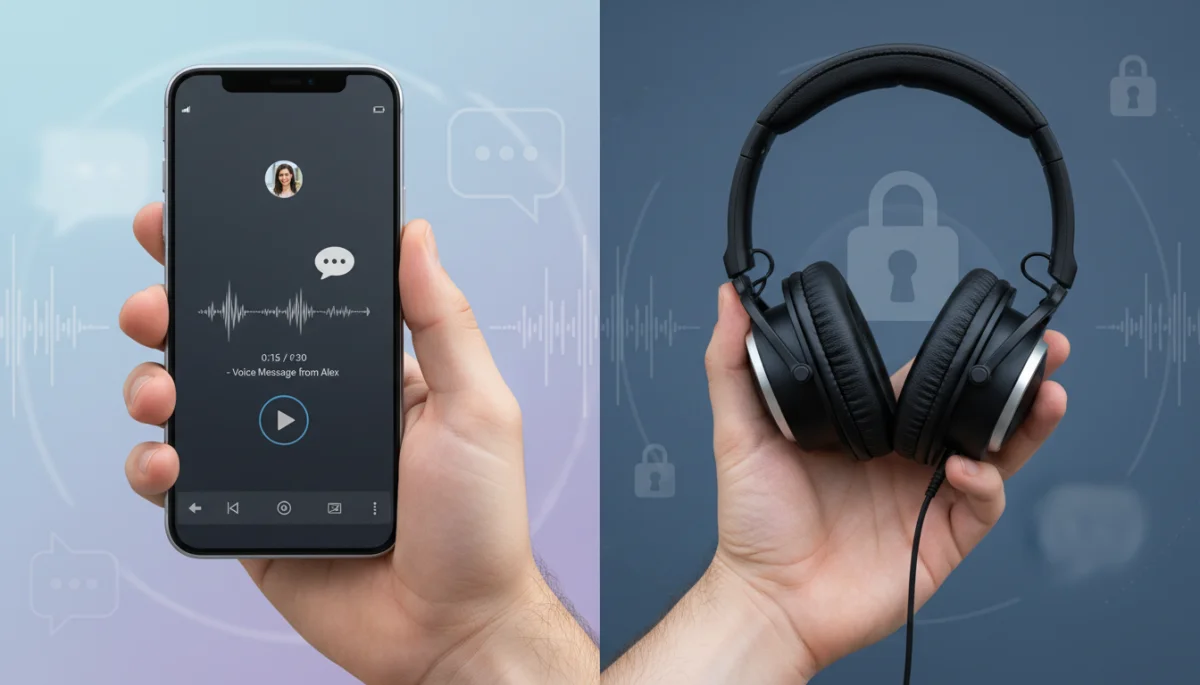
A steady, clear delivery makes your message more pleasant to listen to and easier to process. It also helps in conveying your intended tone and emotion accurately. Practice speaking a few sentences aloud before recording to gauge your pace and clarity.
Hold your phone correctly
The way you hold your smartphone during recording can also affect audio quality. Most phones have a microphone located at the bottom. Ensure your hand isn’t covering it, as this can muffle your voice. Holding the phone at a consistent distance from your mouth, typically a few inches, helps maintain consistent volume.
Avoid speaking directly into the microphone at very close range, as this can cause distortion or ‘popping’ sounds. Experiment with the best distance that allows for clear, balanced audio. Paying attention to these small details ensures that your voice messages are not only thoughtful in content but also impeccable in delivery, reinforcing how to use voice messages thoughtfully in personal and group chats.
Navigating group chats with voice messages
Group chats present a unique set of challenges and opportunities for voice messages. While they can foster a sense of camaraderie and immediacy, they also require heightened awareness of how your audio contributions impact multiple recipients. Thoughtful use in group settings is crucial to avoid overwhelming or annoying others.
The key difference in group chats is the potential for exponential impact. A voice message that might be fine for a one-on-one conversation could be disruptive or inefficient when sent to a large group. Therefore, a more strategic approach is needed to ensure your voice notes add value rather than clutter.
When to use voice notes in groups
Voice messages in group chats are best reserved for situations where they genuinely enhance communication. This often includes conveying emotion, sharing a quick personal update, or explaining something complex that would be cumbersome to type. They can also be effective for quick, informal check-ins or to add a celebratory tone to a shared achievement.
- Expressing emotion: When tone is vital, like sharing exciting news or offering sympathy.
- Brief personal updates: A quick hello or a short anecdote that benefits from your voice.
- Complex explanations: When typing out instructions or detailed thoughts would be too long.
- Informal greetings: A spontaneous voice message can add warmth to a group interaction.
Avoid using voice notes for simple questions, short answers, or logistical details that are easily digestible in text. If the information is critical or requires quick reference, text is usually the more efficient format. Consider the group’s dynamic and the purpose of the chat before sending.
Respecting group dynamics and preferences
Every group chat has its own unspoken rules and preferences. Some groups might be very open to voice messages, while others might prefer text-based communication. Pay attention to how others in the group communicate and try to align your approach. If you’re unsure, it’s always good to err on the side of caution and use text.
Be mindful of the potential for voice notes to interrupt the flow of a text-based conversation. A sudden voice message can feel jarring if everyone else is typing. If you do send a voice note, consider adding a brief text summary or context to help others decide if and when to listen.
Ultimately, using voice messages thoughtfully in group chats means prioritizing the collective experience. By being selective about when and how you use them, you ensure your contributions are well-received and contribute positively to the group’s communication flow. This reinforces the core principle of how to use voice messages thoughtfully in personal and group chats.
Privacy and security considerations
In the age of digital communication, privacy and security are paramount, and voice messages are no exception. When you record and send a voice message, you are sharing personal audio data that can carry sensitive information. Understanding the implications and taking necessary precautions is vital for responsible use.
Just like text messages, voice notes can be forwarded, saved, and potentially accessed by unintended recipients. It’s crucial to be aware of who might hear your message and what information you are comfortable sharing in an audio format. This awareness forms a cornerstone of using voice messages thoughtfully.
What not to say in a voice message
Certain types of information are best kept out of voice messages, especially if the communication platform doesn’t offer end-to-end encryption or if you’re unsure about the recipient’s ability to secure the message. This includes highly sensitive personal data, confidential work information, or anything that could be used for identity theft or fraud.
- Financial details: Bank account numbers, credit card information, passwords.
- Medical information: Personal health details or diagnoses.
- Legal discussions: Sensitive legal advice or confidential case details.
- Highly private matters: Information that could cause significant harm if leaked.
Even seemingly innocuous details can become problematic if they fall into the wrong hands. When in doubt, opt for a more secure communication method, such as a phone call or an encrypted text message, or refrain from sharing the information altogether. It’s always better to be safe than sorry when it comes to sensitive data.
Platform security features
Different messaging apps offer varying levels of security for voice messages. Many popular platforms now boast end-to-end encryption, meaning only the sender and intended recipient can listen to the message. However, it’s important to verify these features for the specific app you are using.
Familiarize yourself with the privacy settings of your messaging apps. Can messages be automatically deleted after a certain period? Can recipients forward your voice notes? Understanding these functionalities allows you to make informed decisions about what you share. Always keep your apps updated to benefit from the latest security patches.

Beyond technical features, personal vigilance is your best defense. Be selective about who you send voice messages to, especially when discussing private matters. By exercising caution and utilizing available security features, you can confidently use voice messages, ensuring your communications remain private and secure, which is central to how to use voice messages thoughtfully in personal and group chats.
Accessibility and inclusivity in voice messaging
Thoughtful communication extends beyond mere content; it encompasses ensuring your message is accessible to everyone. When using voice messages, it’s important to consider recipients who may have hearing impairments, be in situations where listening is difficult, or simply prefer other forms of communication. Inclusivity means making an effort to bridge these potential gaps.
A truly thoughtful voice message is one that can be consumed by anyone, regardless of their circumstances or abilities. This requires a proactive approach, anticipating potential barriers and offering alternatives or supplementary information when necessary. It’s about ensuring your message lands effectively for all intended audiences.
Offering text alternatives
For individuals with hearing impairments or those in environments where listening is not feasible (e.g., a noisy commute, a quiet meeting), a voice message can be a barrier rather than a convenience. A simple solution is to offer a text summary or transcription alongside your voice note.
- Brief text summary: A short bullet-point list of the key topics covered in the voice message.
- Full transcription (if available): Some apps offer automated transcription features that you can review and send.
- Ask for preference: Inquire if the recipient prefers text or voice for important information.
This practice not only aids accessibility but also caters to different communication preferences. Many people simply prefer to read information, as it allows for quicker scanning and reference. Providing a text alternative demonstrates a high level of consideration and makes your communication more inclusive.
Considering different listening environments
People listen to voice messages in a multitude of environments. Some might be in a quiet office, others on a busy street, and some might not have headphones readily available. A long, complex voice message in a noisy environment without headphones is a recipe for frustration.
When sending a voice message, briefly consider the most likely listening environment of your recipient. If you anticipate they might be in a loud place, try to make your message extra clear and concise, or consider sending a text instead. If the message is critical, a text alternative is even more important. Being mindful of these external factors ensures your message is not just sent, but effectively received and understood by all, embodying the essence of how to use voice messages thoughtfully in personal and group chats.
Advanced tips for impactful voice messages
Moving beyond basic etiquette, there are advanced techniques that can elevate your voice messages from merely acceptable to truly impactful. These tips focus on optimizing the delivery and content to ensure your audio communications are not only well-received but also memorable and effective in achieving your communication goals.
An impactful voice message isn’t just about what you say, but how you say it. It leverages the unique qualities of audio to create a stronger connection and convey your message with greater clarity and emotional resonance. Mastering these nuances allows you to harness the full potential of this communication tool.
Using tone and inflection effectively
One of the greatest advantages of voice messages over text is the ability to convey tone and inflection. These vocal cues add layers of meaning that are impossible to replicate in written form. Use your tone to express enthusiasm, empathy, urgency, or humor, making your message more engaging and preventing misinterpretations.
Practice varying your pitch and pace to emphasize key points. A slight pause before an important statement can draw attention, while a warmer tone can soften a difficult message. Be authentic, but also intentional about how your voice reflects your message. This subtle mastery can significantly enhance the emotional impact of your voice notes.
Structuring your message for clarity
Just as you would structure a written email or memo, organizing your thoughts before recording a voice message can greatly improve its clarity. A well-structured voice note is easier to follow and comprehend, especially if it’s slightly longer or covers multiple topics.
- Start with a clear purpose: State why you’re sending the message upfront.
- Organize main points: If you have several points, list them briefly at the beginning or transition clearly between them.
- Call to action (if any): Clearly state what you expect the recipient to do next, if applicable.
- Summarize (optional): A quick recap at the end can reinforce key information.
Even for short messages, a moment of mental organization can prevent rambling and ensure you cover all necessary points without repetition. This structured approach makes your voice messages more professional and respectful of the listener’s time. By applying these advanced tips, you’ll be well on your way to sending truly impactful voice messages, solidifying your understanding of how to use voice messages thoughtfully in personal and group chats.
| Key Practice | Brief Description |
|---|---|
| Conciseness | Keep messages short and to the point, respecting recipient’s time. |
| Context Awareness | Consider the listener’s environment and preferences before sending. |
| Audio Clarity | Record in a quiet place, speak clearly, and hold your phone correctly. |
| Inclusivity | Offer text alternatives for accessibility and different listening situations. |
Frequently asked questions about voice messages
Ideally, voice messages should be kept under 60-90 seconds. While there’s no strict rule, brevity shows respect for the recipient’s time. If your message requires more than two minutes, consider if a phone call or a structured text might be a more appropriate communication method for the given context and content.
It can be perceived as rude, especially in group chats or if the recipient is in a public or professional setting. A quick text asking, “Can I send a voice note?” or a brief heads-up about its content can be a thoughtful gesture, allowing the recipient to choose when to listen.
To ensure clarity, record in a quiet environment to minimize background noise. Speak clearly and at a moderate pace, articulating your words well. Also, hold your phone a few inches from your mouth, ensuring you don’t cover the microphone, to maintain consistent volume and prevent muffling.
Voice messages are generally better when conveying emotion, explaining complex ideas that are cumbersome to type, or when you need to communicate hands-free. They add a personal touch that text often lacks, making them suitable for casual, intimate conversations or quick, expressive updates.
Yes, offering a brief text summary or transcription is a highly inclusive practice. It benefits recipients with hearing impairments, those in noisy environments, or individuals who simply prefer reading. This thoughtful gesture ensures your message is accessible and convenient for a wider audience, enhancing overall communication.
Conclusion
Mastering how to use voice messages thoughtfully in personal and group chats transforms a convenient tool into a powerful medium for connection. By prioritizing conciseness, considering the recipient’s context, ensuring audio clarity, and embracing inclusivity, you elevate your digital communication. Thoughtful voice messages foster stronger relationships and prevent misunderstandings, making every audio interaction a positive and effective exchange. Embracing these practices not only enhances your messaging etiquette but also enriches the overall quality of your digital conversations.
