Location Sharing in Social Apps: Duration, Audience, Accuracy Reviewed
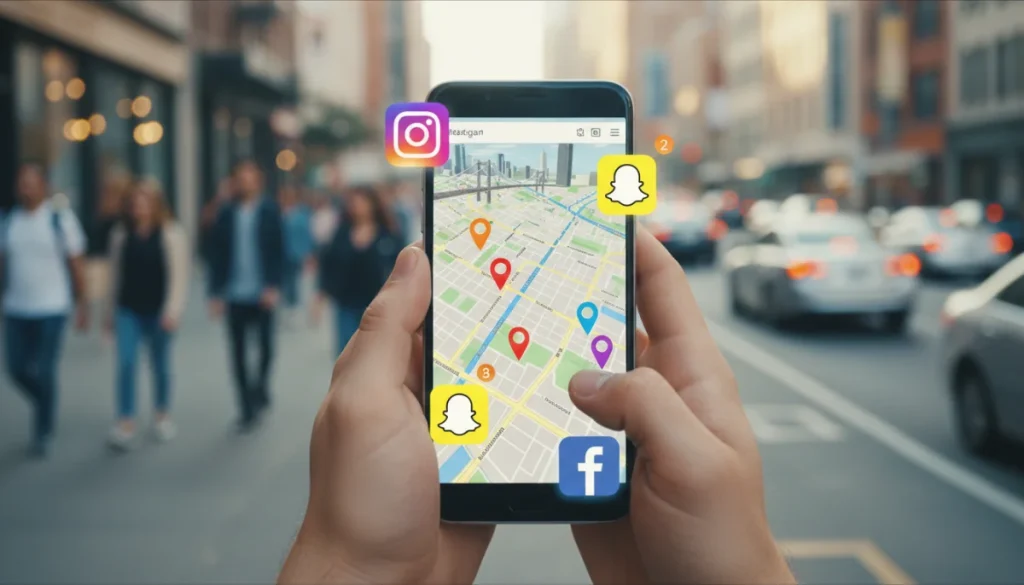
Location sharing in social apps involves intricate considerations regarding how long your location is broadcast, who can view it, and the precision of the data shared, impacting digital privacy and safety.
Understanding location sharing in social apps is no longer optional; it’s a critical component of digital literacy. As our lives become increasingly intertwined with digital platforms, the ability to control and comprehend how our whereabouts are broadcast becomes paramount. This article delves into the nuances of location sharing, examining the duration for which your location can be accessed, the audience with whom it’s shared, and the accuracy of the data itself, providing you with the insights needed to make informed decisions about your digital footprint.
The Evolution of Location Sharing in Social Platforms
Location sharing has transformed from a niche feature into a ubiquitous element of modern social media. Initially, it was a simple way to geotag posts or check into places. Today, it powers everything from finding nearby friends to personalized advertising and even emergency services. This evolution brings both convenience and complex privacy considerations.
Early iterations of location sharing were often opt-in, requiring explicit user action for each instance. However, as technology advanced and smartphone capabilities grew, continuous background location tracking became more common. This shift has profound implications for user privacy, as location data can be collected and stored even when an app is not actively in use.
From Geotags to Real-time Tracking
The journey began with simple geotagging, allowing users to add their current location to a photo or post. This was a static snapshot, providing a single point of data. Over time, features like ‘check-ins’ gained popularity, enabling users to announce their presence at specific venues.
- Static Geotags: Adding a location to a photo or post, visible only at the time of viewing that specific content.
- Manual Check-ins: User-initiated sharing of location at a specific point in time, often for social validation or discovery.
- Live Location Sharing: Real-time broadcasting of one’s whereabouts, typically for a limited duration or to a specific group.
The progression to real-time, continuous location sharing represents a significant leap. Apps like Snapchat’s Snap Map or Google Maps’ location sharing feature allow friends and family to see your precise movements on a map, often updated minute-by-minute. This level of granularity offers unprecedented convenience but also raises significant privacy concerns about who has access to this constant stream of personal data.
The Rise of Background Location Services
Modern smartphones and social apps frequently request permission for background location access. This means an app can continue to collect your location data even when you are not actively using it. While this can enable useful features like reminding you to leave for an appointment or providing relevant local alerts, it also creates a persistent digital trail.
- Persistent Data Collection: Location data gathered continuously, even when the app is closed.
- Enhanced User Experience: Powers features like personalized recommendations, smart home integrations, and timely notifications.
- Increased Privacy Risk: Raises concerns about data aggregation, potential misuse, and unauthorized access to historical movement patterns.
Understanding how background location services operate and managing these permissions is crucial for safeguarding personal privacy in an era where digital footprints are constantly being created. The convenience offered by these features must be carefully weighed against the potential implications for personal data security.
Duration: How Long is Your Location Shared?
One of the most critical aspects of location sharing is the duration for which your data is accessible. This varies significantly across different social applications and even within the features of a single app. Understanding these timeframes is essential for maintaining control over your digital presence.
Some platforms offer fleeting, temporary shares, while others allow for indefinite access. The choice of duration often depends on the user’s intent—whether it’s a quick meetup or a long-term safety measure for family members. 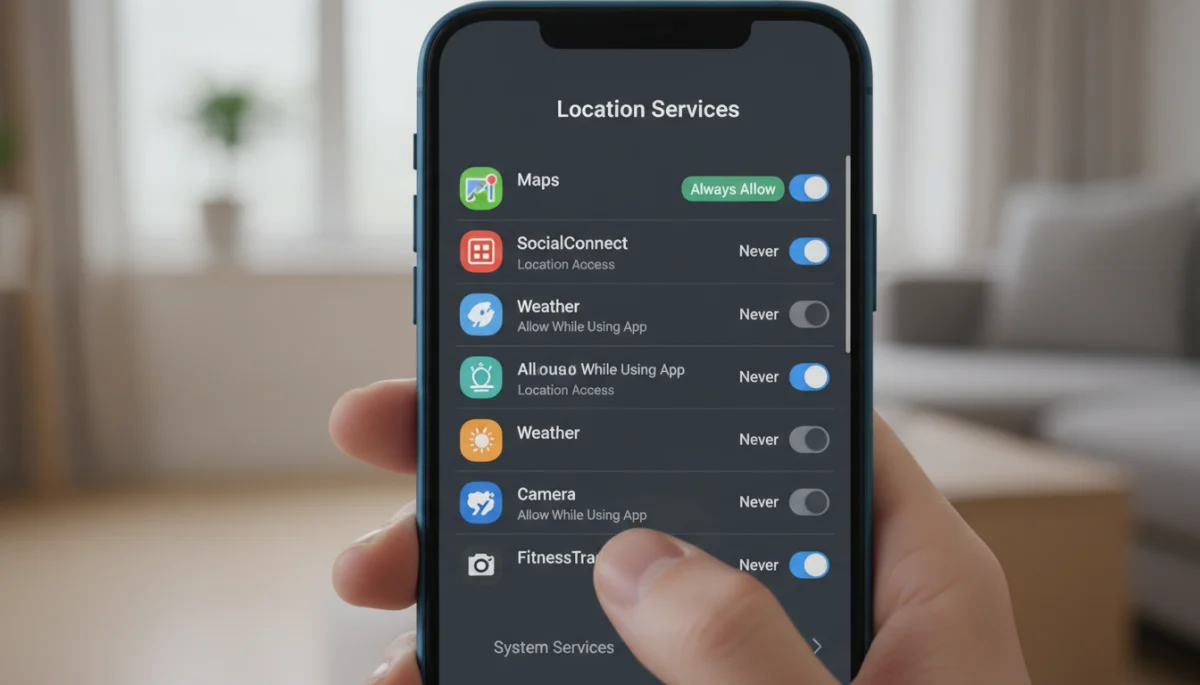
Temporary vs. Persistent Sharing
Many social apps provide options for temporary location sharing. For example, you might share your live location with a friend for an hour to coordinate a meeting. After this period, the sharing automatically ceases. This ephemeral nature is designed to offer convenience without long-term privacy implications.
- Hourly Sharing: Common for meetups, often expiring after 1-8 hours.
- Event-based Sharing: Active only for the duration of a specific event or journey.
- Manual Stop: Requires the user to explicitly end the sharing session.
In contrast, some applications and settings allow for persistent or indefinite location sharing. This might be the default for certain family safety apps or a setting a user enables for close friends. While convenient, persistent sharing means your location is continuously broadcast, requiring vigilance in managing who has access and under what circumstances.
App-Specific Duration Settings
Each social app handles duration settings differently. Google Maps, for instance, allows users to share their real-time location for specific periods (e.g., 1 hour, 8 hours, or until you turn it off). Snapchat’s Snap Map can be set to ‘Ghost Mode’ (off), ‘My Friends’ (on), or ‘Select Friends,’ with no inherent time limit unless manually changed.
Facebook Messenger also offers temporary live location sharing for up to 60 minutes. It’s crucial for users to dive into the settings of each app they use to understand the default duration and customize it according to their comfort level. Ignoring these settings can lead to unintended long-term exposure of personal whereabouts.
The duration of location sharing is a dynamic setting that users should frequently review. What might be appropriate for a single event could become a privacy risk if left enabled indefinitely. Regular checks of app permissions and privacy settings are recommended to ensure that location data is only shared for the intended period.
Audience: Who Sees Your Location Data?
The audience for your shared location data is as crucial as the duration. Social apps offer varying degrees of control over who can view your whereabouts, ranging from everyone to a select few. Understanding these audience settings is vital for protecting your privacy and ensuring your safety.
Careless audience selection can inadvertently expose your location to strangers, acquaintances, or even malicious actors. Conversely, precise control allows you to leverage location sharing for convenience and safety without compromising your personal boundaries.
Public, Friends, or Private?
Most social platforms categorize audience options into broad groups:
- Public: Your location is visible to anyone on the platform, or even off it if the content is publicly indexed. This is rarely the default for live location sharing but can apply to geotagged posts.
- Friends/Connections: Your location is visible only to those you have accepted as friends or connections on the platform. This is a common default for many social features.
- Selected Individuals/Groups: The most granular control, allowing you to handpick specific people or custom groups who can see your location. This is often the preferred setting for live sharing with family or close friends.
The level of trust you place in these categories should guide your selection. A public setting, for instance, might be acceptable for a business location but highly risky for personal live location tracking. Always consider the potential implications of each audience choice.
Managing Audience Permissions in Apps
Each social app provides specific mechanisms for managing who sees your location. On Instagram, for example, geotagged posts are visible to your followers, but there’s no live location sharing feature. Snapchat’s Snap Map allows you to choose between ‘My Friends,’ ‘My Friends, Except…,’ or ‘Only These Friends,’ offering precise control.
WhatsApp and Facebook Messenger allow you to share live location within individual or group chats, meaning only participants in that specific conversation can see it. It’s important to remember that even within trusted groups, the privacy of other members should be considered. Always review and adjust these settings regularly, especially after app updates or changes in your social circle.
The audience you designate for your location data should align with your comfort level and the purpose of sharing. Regularly auditing these permissions ensures that your personal information remains within your intended circle, preventing unintended exposure and enhancing your digital security posture.
Accuracy: How Precise is Shared Location Data?
The accuracy of location data shared through social apps can vary significantly, depending on several factors including device capabilities, network conditions, and the app’s specific implementation. Understanding this precision is crucial for interpreting shared locations and recognizing potential discrepancies.
While GPS provides highly accurate data, cellular triangulation and Wi-Fi-based positioning can offer varying degrees of precision. This impacts everything from navigating to a friend’s exact doorstep to understanding the reliability of location-based services.
Factors Influencing Location Accuracy
Several technical elements contribute to how accurately your location is determined and shared:
- GPS (Global Positioning System): Generally the most accurate, relying on satellite signals. Works best outdoors with a clear view of the sky.
- Wi-Fi Positioning: Uses known Wi-Fi networks to estimate location. More accurate in urban areas with dense Wi-Fi coverage.
- Cellular Triangulation: Estimates location based on proximity to cell towers. Less precise than GPS or Wi-Fi, often providing a broader area rather than an exact point.
- Bluetooth Beacons: Used for very precise indoor positioning within specific venues.
Environmental factors also play a role. Dense urban environments with tall buildings can block GPS signals, leading to less accurate readings. Indoor locations often rely more heavily on Wi-Fi or cellular data, which can also be less precise. 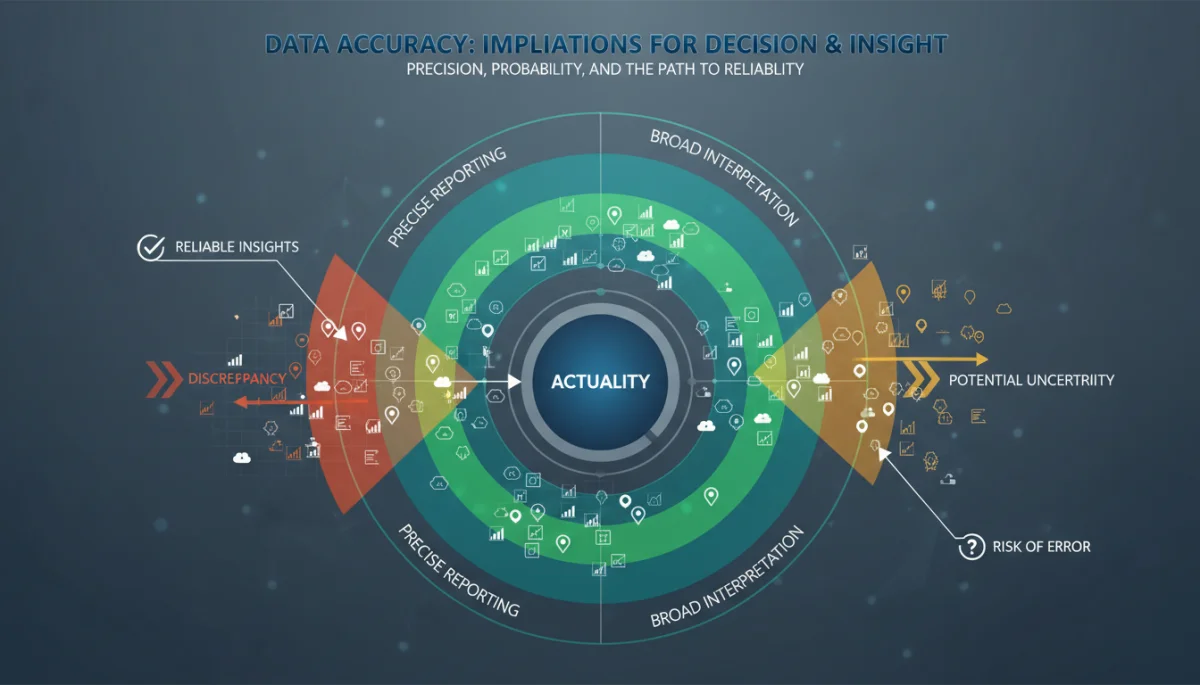
Interpreting Location Data
When you see a friend’s location on a map, it’s important to consider that it might not be pinpoint accurate. A location marker could represent an area rather than an exact spot, especially if the device is indoors or in an area with poor signal. Apps sometimes indicate the level of accuracy, for example, by showing a blue circle around the precise point to denote the potential margin of error.
For instance, if a friend shares their location and it shows them on a specific street, they might be in a building on that street, not necessarily standing in the middle of the road. This distinction is important for practical applications, like coordinating a pickup, where a few meters of difference can matter.
Understanding the inherent variability in location data accuracy helps users set realistic expectations and avoid frustration. It also reinforces the idea that while location sharing is a powerful tool, it’s not always infallible and should be used with a degree of critical thinking.
Privacy Implications and Best Practices
The widespread adoption of location sharing in social apps brings a host of privacy implications. While convenient, sharing your whereabouts can inadvertently expose sensitive information about your routines, home, work, and social life. This section explores these risks and outlines best practices for safeguarding your privacy.
The balance between convenience and privacy is delicate, requiring users to be proactive in managing their settings and understanding the potential consequences of their choices.
Risks Associated with Location Sharing
Uncontrolled location sharing can lead to several risks:
- Stalking and Harassment: Malicious individuals can use live location data to track movements, leading to real-world safety concerns.
- Theft and Burglary: Broadcasting your absence from home can signal an opportunity for criminals.
- Data Exploitation: Location data can be aggregated by apps and third-party companies for targeted advertising, or even sold, without explicit user knowledge.
- Privacy Breaches: If an app’s security is compromised, your location data could be exposed to unauthorized parties.
These risks highlight the importance of careful consideration before enabling location sharing and regularly reviewing who has access to this sensitive information. The digital footprint created by location data can reveal patterns of behavior that are deeply personal.
Essential Privacy Best Practices
To mitigate the risks associated with location sharing, adopt these best practices:
- Review App Permissions Regularly: Periodically check which apps have access to your location and adjust permissions as needed. Use ‘Allow While Using App’ instead of ‘Always Allow’ whenever possible.
- Understand Duration Settings: Opt for temporary sharing durations (e.g., 1 hour) over indefinite sharing, especially for casual meetups.
- Limit Your Audience: Share your live location only with trusted individuals or small, private groups. Avoid public or broad ‘friends’ settings for real-time tracking.
- Use ‘Ghost Mode’ or Equivalent: Many apps offer a feature to temporarily or permanently hide your location. Utilize this when you don’t need to share.
- Disable Location Services When Not Needed: Turn off your device’s overall location services when you don’t require any app to access your location.
- Be Skeptical of Third-Party Apps: Exercise caution with apps that request location access but whose functionality doesn’t clearly require it.
By implementing these practices, users can significantly enhance their digital privacy and reduce their exposure to potential threats while still enjoying the benefits that location-based services offer.
The Future of Location-Based Social Interactions
The landscape of location-based social interactions is continuously evolving, driven by advancements in technology and changing user expectations. We can anticipate even more sophisticated and integrated features, but also a greater emphasis on user control and transparency in how location data is handled.
The ongoing development will likely focus on balancing innovative social experiences with robust privacy frameworks, responding to growing public awareness and regulatory pressures regarding data protection.
Enhanced Personalization and Discovery
Future social apps will likely leverage location data for even more hyper-personalized experiences. Imagine apps that not only recommend local events but also connect you with people who share similar interests and are physically nearby, fostering organic connections. This could extend to augmented reality (AR) experiences that overlay digital information onto your physical surroundings, making local exploration more interactive.
- Hyper-local Recommendations: Tailored suggestions for dining, entertainment, and services based on real-time location and preferences.
- Proximity-based Networking: Easier discovery of like-minded individuals in your immediate vicinity for professional or social connections.
- Augmented Reality Integration: Digital overlays that enhance physical spaces, providing interactive information about landmarks, businesses, or public art.
These advancements promise to make our physical environment more engaging and connected. However, they also necessitate a parallel development in user education and control, ensuring individuals understand the extent of data collection and can manage their exposure.
Increased Emphasis on Privacy and Control
As location sharing becomes more pervasive, so too will the demand for greater privacy controls. We can expect apps to offer more granular settings, allowing users to define not just who sees their location, but also the exact level of precision shared and for how long. Regulators are also likely to impose stricter guidelines on how location data is collected, stored, and utilized, particularly concerning sensitive information.
Features like ‘privacy zones’ where your exact location is obscured, or ‘one-time’ location permissions that automatically revoke after a single use, might become standard. The focus will shift towards empowering users with clear, understandable options that go beyond simple on/off toggles.
- Granular Privacy Settings: More detailed options for controlling data precision, duration, and audience.
- Contextual Sharing: Location shared automatically only under specific, user-defined conditions (e.g., only when at a specific event).
- Transparency Reports: Apps providing clearer insights into how user location data is used and shared with third parties.
Ultimately, the future of location-based social interactions will hinge on a successful integration of innovative features with a steadfast commitment to user privacy and control, building trust in increasingly data-driven environments.
Navigating the Social Landscape Responsibly
In an increasingly connected world, responsibly navigating the social landscape of location sharing is paramount. It requires a proactive approach to understanding app functionalities, managing permissions, and being aware of the broader implications of broadcasting your whereabouts. The tools and features available are powerful, offering both immense convenience and potential risks.
Taking control of your digital privacy means making informed choices about when, with whom, and for how long you share your location, ensuring that these decisions align with your personal comfort and safety.
Empowering User Choices
The key to responsible location sharing lies in user empowerment. This means not just knowing *how* to change settings, but *why* those settings are important. Educational resources and clear, intuitive app interfaces play a crucial role in helping users understand the impact of their choices. Empowered users are those who can confidently use location-based features to enhance their social interactions without feeling exposed or vulnerable.
- Informed Decision-Making: Understanding the consequences of various location sharing settings.
- Intuitive Controls: Apps designed with easy-to-understand and accessible privacy options.
- Proactive Management: Regularly reviewing and adjusting permissions based on current needs and comfort levels.
The responsibility for safe location sharing is shared between app developers, who must provide robust and transparent controls, and users, who must engage with these controls thoughtfully.
Balancing Connectivity and Security
The ultimate goal is to strike a healthy balance between enjoying the benefits of connectivity that location sharing offers and maintaining a strong sense of personal security. This balance is dynamic and will vary for each individual. For some, the convenience of real-time tracking with family outweighs the minor privacy concerns, while for others, a more restrictive approach is preferred.
By staying informed about the latest features, privacy updates, and potential risks, users can adapt their strategies to fit their evolving needs and the changing digital environment. Responsible use of location sharing is not about abstinence, but about intelligent engagement.
Embracing a mindful approach to location sharing ensures that these powerful tools serve to enhance our lives, rather than compromise our privacy or safety. It’s about leveraging technology wisely, with personal boundaries always at the forefront.
| Key Aspect | Brief Description |
|---|---|
| Sharing Duration | Users control how long their location is visible, from temporary (hours) to persistent (indefinite). |
| Audience Control | Settings range from public to selected individuals, impacting who can view shared location data. |
| Location Accuracy | Accuracy varies based on GPS, Wi-Fi, and cellular data, affecting the precision of reported locations. |
| Privacy Best Practices | Regularly review permissions, limit duration/audience, and disable services when not needed. |
Frequently Asked Questions About Location Sharing
On iOS, go to Settings > Privacy & Security > Location Services. On Android, navigate to Settings > Location > App permissions. Here you can see and manage access for each app, choosing options like ‘Always,’ ‘While Using,’ or ‘Never.’
No, live location sharing is not always pinpoint accurate. Its precision depends on factors like GPS signal strength, Wi-Fi availability, and cellular network coverage. Dense urban areas or indoor environments can reduce accuracy, showing a broader estimated area.
Sharing your location publicly can expose you to risks such as stalking, harassment, or even burglary if your home is known to be vacant. It can also lead to unwanted attention and compromise your personal safety and privacy.
Yes, many social apps like WhatsApp, Facebook Messenger, and Google Maps allow you to share your live location for a limited duration (e.g., 15 minutes, 1 hour, 8 hours) with specific contacts or groups. This offers enhanced control over your privacy.
You can stop background tracking by changing the app’s location permission to ‘Only While Using the App’ or ‘Never.’ Access this through your device’s privacy settings under location services. Some apps also have in-app settings for background activity.
Conclusion
Navigating the complexities of location sharing in social apps demands a comprehensive understanding of its duration, intended audience, and data accuracy. As digital platforms continue to integrate location-based services, users are empowered to make informed decisions that balance convenience with paramount privacy concerns. By regularly reviewing app permissions, understanding the nuances of temporary versus persistent sharing, and being aware of the technical limitations of location data, individuals can effectively manage their digital footprint. Ultimately, proactive engagement with privacy settings and a critical perspective on shared information are essential for fostering a secure and fulfilling online experience in today’s interconnected world.
