How to Introduce Yourself in an Online Community Without Oversharing
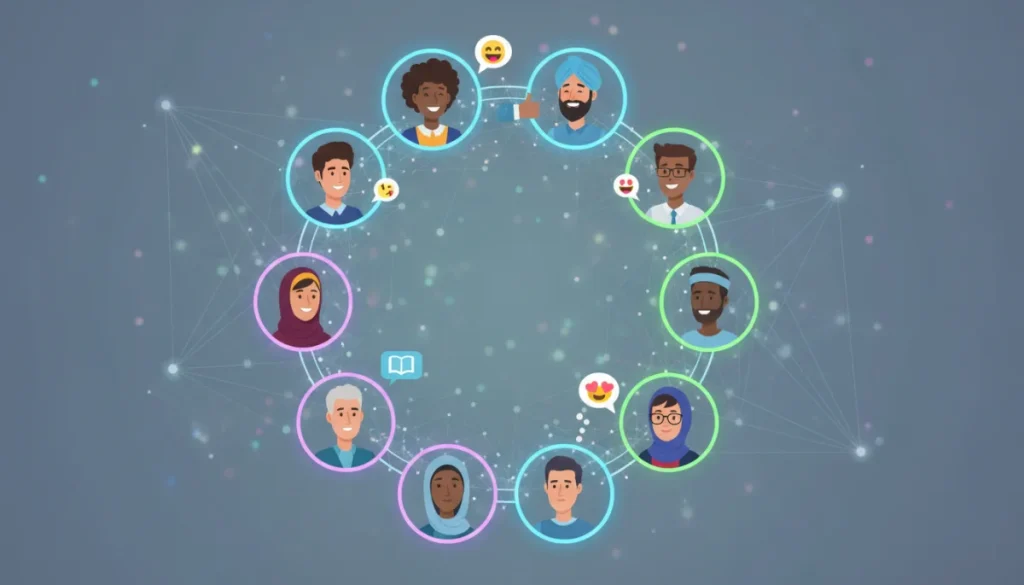
Effectively introducing yourself in an online community requires a balance between engaging with others and safeguarding personal information, a crucial skill for building trust and connections online.
Stepping into a new online community can feel like walking into a bustling room full of strangers. The desire to connect is natural, but so is the instinct to protect your personal space. Learning how to introduce yourself in an online community without oversharing is a vital skill in today’s digital landscape, allowing you to build meaningful relationships while maintaining your privacy.
Understanding the Importance of First Impressions Online
Your first interaction in an online community sets the tone for how others perceive you. It’s not just about what you say, but also how you present yourself in terms of openness and discretion. A well-crafted introduction can open doors to valuable discussions and connections, while an overly revealing one might inadvertently expose you to risks.
In the digital realm, where non-verbal cues are absent, your written words carry immense weight. Members often form initial judgments based on the content and style of your introductory post. Therefore, understanding the nuances of online communication and privacy is paramount.
The Digital Handshake: Crafting Your Initial Post
Think of your introduction as a digital handshake. It should be firm, friendly, and informative enough to spark interest, but not so tight that it reveals your entire life story. The goal is to invite conversation, not to provide fodder for data miners.
- Be concise: Get straight to the point. Most people in online communities appreciate brevity.
- State your purpose: Clearly articulate why you’ve joined the community and what you hope to gain or contribute.
- Express enthusiasm: Show genuine interest in the community’s topic or mission.
Avoiding the Pitfalls of Premature Disclosure
Many new members, eager to fit in, may inadvertently share too much too soon. This can range from revealing sensitive personal details to expressing strong, potentially controversial opinions before understanding the community’s culture. Premature disclosure can lead to uncomfortable situations or even make you a target for unwanted attention.
It’s always better to err on the side of caution. Observe, listen, and learn the community’s norms before deciding how much of yourself to reveal. This patient approach builds trust and helps you gauge the safety and tone of the environment.
A good first impression online is about balance. It’s about being approachable and genuine without compromising your personal boundaries. This initial step can significantly impact your overall experience and the quality of your interactions within the community.
Defining Your Personal Boundaries Before You Post
Before you even type a single word, it’s crucial to establish clear personal boundaries. What information are you comfortable sharing with strangers online? What topics are off-limits? Having these answers ready will serve as your internal compass, guiding your interactions and preventing accidental oversharing.
This proactive approach empowers you to control your narrative and protect your digital footprint. Without defined boundaries, it’s easy to get carried away in the moment, especially when feeling pressure to conform or impress.
What Information is Safe to Share?
Generally, it’s safe to share information that doesn’t uniquely identify you or expose you to financial or personal risk. This includes your general interests, hobbies, professional field (without specific employer details), and general location (e.g., ‘East Coast’ instead of your city).
- Interests and Hobbies: These are excellent conversation starters and help others find common ground.
- General Professional Role: Sharing your industry or type of work can be relevant to many communities, but avoid company names or specific job titles.
- Opinions on community topics: Once you understand the community’s tone, sharing well-reasoned opinions can foster engagement.
Information to Always Keep Private
Certain pieces of information should almost always remain private when introducing yourself to a new online community. This includes your full name, exact address, phone number, email address, date of birth, financial details, and any specific details about your family or daily routine.
Even seemingly innocuous details can be pieced together by malicious actors. For example, mentioning your child’s school or your vacation dates can create vulnerabilities. Always assume that anything you post publicly can be seen and potentially used by anyone.
By consciously setting and adhering to these boundaries, you create a safer and more enjoyable online experience. It allows you to engage authentically without the constant worry of exposing too much personal data.
Crafting a Compelling, Privacy-Conscious Introduction
Once your boundaries are set, the next step is to compose an introduction that is both engaging and respectful of your privacy. This involves choosing your words carefully, highlighting your relevant interests, and signaling your intent to be a positive community member without revealing sensitive details.
An effective introduction is a balance of intrigue and discretion. You want to give others enough to respond to, but not so much that they feel they know everything about you from the outset.
Highlighting Your Relevant Interests and Expertise
Focus on aspects of yourself that directly relate to the community’s purpose. If it’s a gardening forum, talk about your favorite plants or a gardening challenge you’re facing. If it’s a professional network, mention your skills or areas of interest within that profession.
This approach not only keeps your introduction relevant but also signals to others that you’ve done your homework and understand the community’s focus. It invites targeted conversations and helps you connect with like-minded individuals more effectively.
Using a Pseudonym or Alias
For many online communities, especially those that are hobby-based or less formal, using a pseudonym or alias is a common and highly effective way to protect your identity. This allows you to participate fully without linking your online persona to your real-world identity.
Choose a username that is easy to remember, relevant to your interests, and not easily traceable back to your personal information. Avoid using parts of your real name, birthdate, or other identifying details in your alias.
A well-chosen pseudonym can free you to express yourself more openly, knowing that your real-world identity remains secure. It’s a powerful tool in managing your digital privacy.
Engaging Authentically While Maintaining Discretion
Authenticity in online interactions is about being genuine in your contributions and personality, not about sharing every detail of your life. You can build trust and rapport by offering thoughtful insights, asking good questions, and participating actively, all without oversharing personal information.
True connection comes from shared ideas and mutual respect, not from a detailed dossier of your life. People appreciate honesty and consistency in your online persona.
Asking Thoughtful Questions
One of the best ways to engage with discretion is to ask questions. This shows curiosity, a desire to learn, and respect for the community’s existing members. It shifts the focus from yourself to the group, inviting others to share their knowledge and experiences.
Thoughtful questions can also help you gauge the community’s atmosphere and the types of responses you can expect. It’s a low-risk way to initiate interaction and understand the dynamics before fully diving in.
Offering Value and Contributing to Discussions
Beyond introductions, your ongoing contributions are what truly define your presence. Share your insights, offer helpful advice (where appropriate), and contribute to ongoing discussions. This demonstrates your value as a member and builds your reputation within the community.
Focus on adding value related to the community’s theme. Your expertise, even if limited, can be a great asset. This approach allows you to be an active, respected member without needing to disclose personal details.
Engaging authentically means being true to your intentions for joining the community and contributing positively, rather than feeling pressured to reveal more than you’re comfortable with. It’s about quality interactions over quantity of personal data shared.

Leveraging Platform Features for Privacy Control
Many online communities and social platforms offer various privacy settings and features designed to give you more control over your information. Understanding and utilizing these tools is a critical part of managing your digital presence and preventing oversharing.
Don’t assume that default settings are sufficient for your privacy needs. Always take the time to explore and adjust them to match your comfort level.
Reviewing Your Profile Settings
Before posting, thoroughly review your profile settings. Many platforms allow you to control who can see your profile information, posts, and even your activity within the community. Adjust these settings to be as restrictive as you need them to be.
- Visibility: Can your profile be seen by non-members or only by approved members?
- Contact Information: Is any contact information (email, phone) visible? Remove it if not necessary.
- Activity Log: Can others see your likes, comments, or groups you’ve joined?
Understanding Public vs. Private Groups
Be aware of the distinction between public and private groups or forums. Content shared in public groups is often searchable by anyone on the internet, even those not logged into the platform. Private groups offer a greater degree of control over who sees your posts.
If you’re particularly concerned about privacy, consider limiting your initial interactions to private groups where the audience is more controlled and often vetted. This provides a safer environment to test the waters and build trust.
Actively managing your privacy settings is not a one-time task; it’s an ongoing process. As platforms update or your comfort levels change, revisit these settings to ensure they still align with your personal boundaries.
Building Trust and Relationships Gradually
Trust in online communities, much like in real life, is built over time through consistent, positive interactions. It’s a gradual process that involves demonstrating reliability, respect, and genuine interest in others. Rushing this process by oversharing can often backfire.
Allow relationships to develop naturally. The most enduring connections are often those that form organically, without pressure or forced intimacy.
Starting with Small, Meaningful Contributions
Don’t feel the need to make a grand entrance or an immediate, profound statement. Start by engaging with smaller contributions: a thoughtful comment on another member’s post, a helpful link, or an answer to a simple question.
These small, consistent interactions build your presence and reputation within the community. They demonstrate that you’re a valuable and engaged member, which in turn encourages others to trust and interact with you more deeply.
Observing Community Norms and Etiquette
Every online community has its own unique culture, norms, and unspoken rules. Spend time observing how established members interact, what topics are discussed, and what kind of language is used. This observation phase is crucial for understanding how to best integrate yourself without causing unintended offense or appearing out of place.
Paying attention to etiquette, such as avoiding all caps, refraining from spamming, and respecting diverse viewpoints, goes a long way in earning the respect and trust of other members. This careful approach is far more effective than an instant, overly personal disclosure.
Building trust is an investment. By taking your time, being respectful, and contributing meaningfully, you lay the groundwork for genuine connections that can enrich your online experience without compromising your personal privacy.
When and How to Share More Personal Details
There may come a point where you feel comfortable sharing more personal details with specific individuals or within certain sub-groups of an online community. This decision should always be made consciously and with caution, based on established trust and a clear understanding of the context.
The key is to differentiate between public sharing and private, one-on-one disclosure. What you share in a public forum is very different from what you might share in a private message with a trusted contact.

Moving Conversations to Private Channels
If you develop a strong rapport with another member and wish to share more, consider moving the conversation to a private channel. This could be a direct message feature within the platform, or if appropriate and after significant trust has been established, an external communication app.
This allows for more intimate discussions without exposing your personal information to the entire community. Always ensure the other person is comfortable with this shift and respects your boundaries.
Assessing Trust Levels Before Disclosure
Before sharing any additional personal details, take time to assess the trust level you’ve built with the individual. Have they consistently demonstrated respect, empathy, and reliability? Do you feel comfortable with their intentions?
Look for red flags such as overly inquisitive questions about your personal life, attempts to rush intimacy, or inconsistent behavior. It’s always better to proceed with caution and listen to your intuition. If something feels off, it probably is.
Sharing more personal details is a privilege earned through consistent positive interaction and mutual respect. It should never be a requirement for participation or acceptance within a community. Always prioritize your safety and comfort.
| Key Point | Brief Description |
|---|---|
| Set Boundaries | Define what personal information you are comfortable sharing before engaging. |
| Craft Introduction | Focus on relevant interests and use a pseudonym for privacy. |
| Engage Discreetly | Ask questions and contribute value without oversharing personal details. |
| Use Privacy Settings | Leverage platform features to control who sees your information and activity. |
Frequently Asked Questions About Online Introductions
The safest information includes your general interests, hobbies, and a broad professional field if relevant to the community. Avoid specific details that could identify you personally, such as your full name, exact location, or employer. Focus on connecting through shared passions rather than personal facts.
For most online communities, especially those not tied to professional networking, a pseudonym or alias is highly recommended. It offers a layer of privacy, allowing you to engage freely without directly linking your online activities to your real-world identity. Choose a unique and memorable alias.
Observe the community’s tone, moderation, and how members interact. Look for clear rules against harassment and spam. A safe community will have active moderators, respectful discussions, and a culture that values privacy. Start by lurking and reading before engaging extensively.
Oversharing can lead to privacy breaches, identity theft, unwanted attention, harassment, or even real-world stalking. It can also create an uncomfortable environment for other members if you reveal too much too soon. Always prioritize your safety and digital well-being.
Only consider sharing more personal information after a significant amount of trust has been established, typically over an extended period of positive interactions. Move the conversation to a private channel and always ensure the other person respects your boundaries. Listen to your intuition.
Conclusion
Navigating the intricate world of online communities requires a delicate balance between connection and self-preservation. Learning how to introduce yourself in an online community without oversharing is not merely about protecting data; it’s about fostering genuine, respectful interactions built on mutual trust rather than forced intimacy. By setting clear personal boundaries, crafting thoughtful introductions, leveraging privacy settings, and building relationships gradually, you can enjoy the enriching benefits of online communities while safeguarding your personal space. Remember that authenticity online is expressed through meaningful contributions and respectful engagement, not through the volume of personal details disclosed. Your digital journey should always prioritize your comfort and security.
