Dating Profile Verification: Badge Not Guarantee of Safety
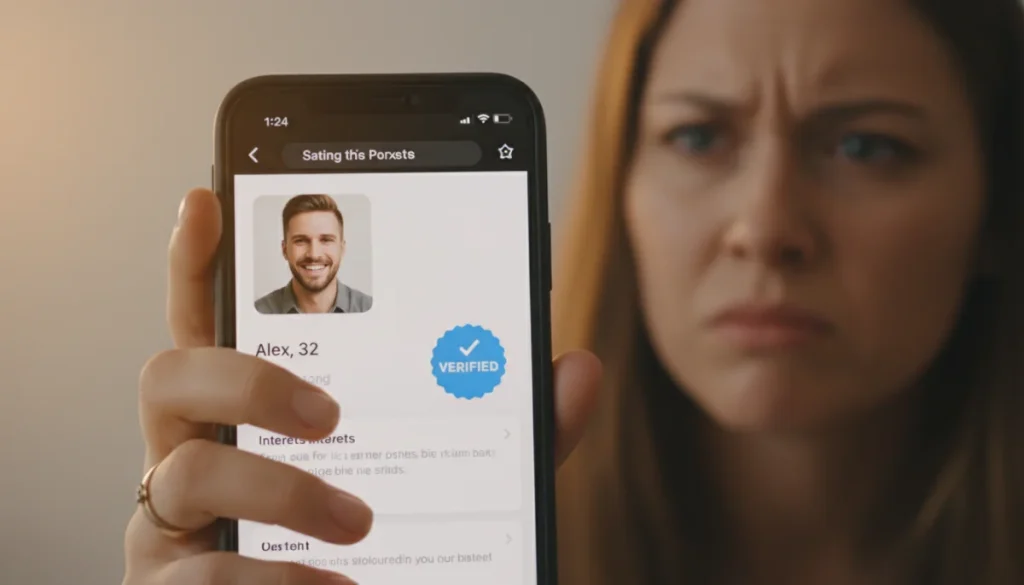
A dating profile verification badge often provides a false sense of security, as it rarely guarantees a user’s true identity or ensures their safety on dating platforms.
In the evolving landscape of online connections, understanding dating profile verification has become paramount. Many dating apps now offer verification badges, leading users to believe they are interacting with genuine, safe individuals. However, relying solely on these badges can be a dangerous misconception.
The Illusion of Security: What Verification Really Means
Many dating apps have introduced verification processes, often involving photo matching or linking social media accounts. This aims to combat catfishing and increase user trust. However, the scope of this verification is frequently misunderstood, leading to a false sense of security among users.
A verification badge typically confirms that the person in the profile photos matches the person submitting the verification, or that they own a linked social media account. It rarely delves deeper into criminal backgrounds, marital status, or true intentions. This limited scope means a verified badge is not a comprehensive guarantee of identity or safety.
Common Verification Methods
- Photo Verification: Users submit a selfie that the app’s technology compares to their profile photos. This ensures the profile photos are recent and belong to the account holder.
- Social Media Linking: Connecting a profile to platforms like Instagram or Facebook can add a layer of authenticity, showing a more established online presence.
- Phone Number/Email Confirmation: Basic checks to ensure the user has access to a unique contact method, preventing multiple fake accounts.
While these methods are a step in the right direction, they are not foolproof. Scammers can be sophisticated, using stolen photos or creating elaborate fake social media profiles. It’s crucial for users to understand the limitations of these processes and not equate a badge with absolute certainty.
Ultimately, a verification badge serves as an initial filter, reducing some obvious forms of misrepresentation. However, it should never replace personal vigilance and critical thinking when interacting with new people online. Users must remain aware that even verified profiles can harbor individuals with malicious intent.
Beyond the Badge: Unmasking Digital Deception
The digital age has brought convenience, but also new avenues for deception. Even with a verification badge, users can still encounter individuals who are not who they claim to be. Understanding the types of deception prevalent on dating apps is essential for personal protection.
Catfishing, romance scams, and identity theft remain significant threats. A verified badge might confirm a photo, but it doesn’t verify a person’s financial stability, emotional honesty, or criminal record. Scammers often exploit emotional vulnerabilities, building trust over time before requesting money or personal information.
Tactics Used by Deceivers
- Love Bombing: Overwhelming a target with affection and attention early on to create a strong emotional bond.
- Sob Stories: Fabricating elaborate tales of hardship, illness, or financial distress to elicit sympathy and money.
- Isolation: Encouraging the target to move off the dating app to private messaging, where there’s less oversight and accountability.
These tactics often begin subtly, making it difficult for users to recognize they are being manipulated until it’s too late. The emotional investment makes it harder to disengage, even when red flags start to appear. Therefore, a healthy dose of skepticism is always warranted, regardless of any digital verification.
The badge offers a baseline, but the real work of unmasking deception falls to the individual user. It requires active listening, asking probing questions, and being attuned to inconsistencies in stories or behavior. True identity and intentions are revealed through consistent interaction, not a single digital marker.
The Human Element: Why Trust Requires More Than Technology
Technology can provide tools for verification, but genuine trust is built through human interaction and observation. Relying solely on a digital badge overlooks the complex nuances of human behavior and motivation. Real connections demand more than a simple checkmark.
The process of getting to know someone involves assessing their character, consistency, and intentions over time. This cannot be automated. A badge only confirms a superficial aspect of identity, leaving the deeper, more critical elements of trustworthiness unaddressed. It’s a starting point, not an endpoint for establishing rapport.
Consider how trust is built in offline relationships. It involves shared experiences, observing reactions to various situations, and understanding a person’s values. These elements are far removed from what a photo verification badge can convey. Online, users must actively seek out these deeper indicators.
Moreover, people change, and their online personas can differ significantly from their real-life selves. A verified badge might confirm a current image, but it doesn’t guarantee the person’s personality or intentions haven’t evolved, or that they are being completely honest about other aspects of their life. This gap between digital representation and reality is where many problems arise.
In essence, technology can facilitate introductions, but the responsibility for discerning character and building trust remains with the individual. It’s a process that demands patience, critical thinking, and a willingness to engage in meaningful, multi-faceted communication.
Red Flags to Watch For, Even with a Verified Profile
Even when a profile displays a verification badge, certain behaviors should immediately raise red flags. These indicators suggest that despite superficial checks, the individual might not be trustworthy or safe. Recognizing these signs early can prevent significant emotional and financial harm.
One primary red flag is an insistence on moving off the dating app to a private messaging platform too quickly. While natural to eventually move conversations, an immediate push can be a tactic to avoid app monitoring. Another is an overly intense or accelerated emotional connection, often termed ‘love bombing,’ which can be a precursor to manipulation.
Behavioral Warning Signs
- Evasive Answers: Vague or inconsistent responses to direct questions about their life, work, or past.
- Financial Requests: Any request for money, gift cards, or financial assistance, no matter how small or seemingly urgent.
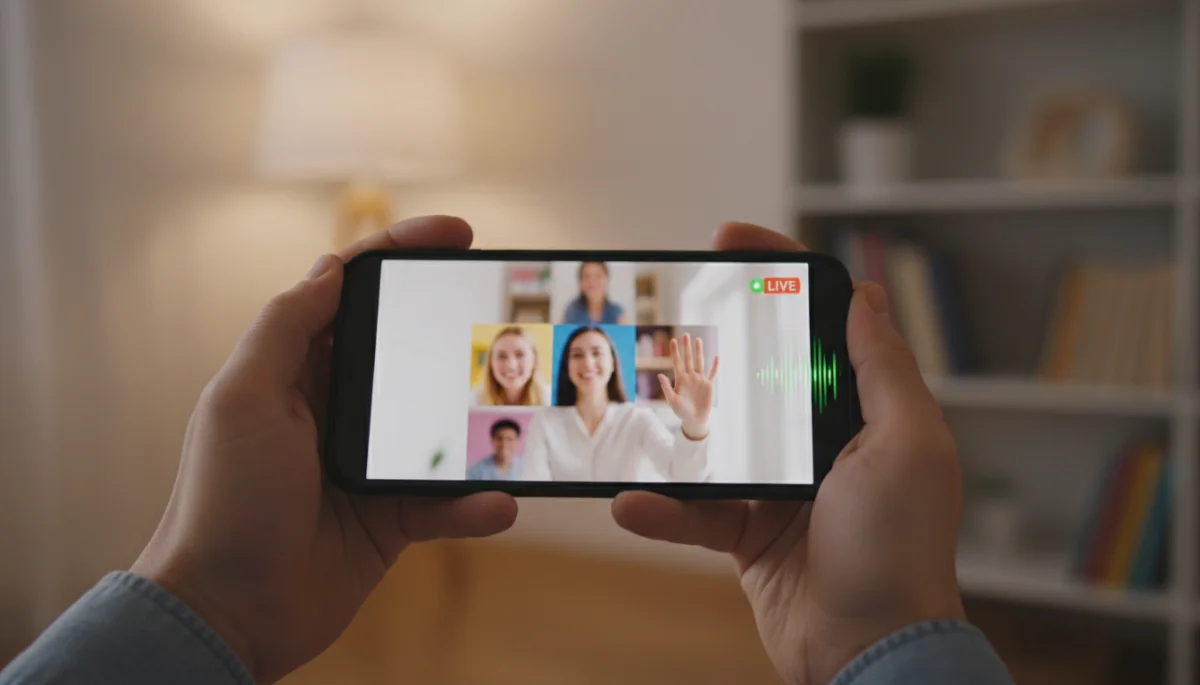
- Refusal to Video Call: A consistent unwillingness to engage in video calls, which can be a strong indicator that they are not who they appear to be.
- Too Good to Be True: Profiles or stories that seem excessively perfect, often lacking realistic flaws or challenges.
These red flags are critical to observe, as they often signal deeper issues that no verification badge can uncover. Trust your instincts; if something feels off, it probably is. Prioritizing your safety means being willing to end communication with anyone who exhibits these concerning behaviors.
Ultimately, a verified badge is a tool, not a shield. It’s up to the user to apply critical judgment and maintain healthy boundaries, ensuring that every interaction contributes positively to their dating experience rather than exposing them to risk.
Proactive Steps for Enhanced Online Dating Safety
Since a verification badge alone isn’t sufficient, users must adopt proactive strategies to ensure their safety and make informed decisions on dating apps. These steps go beyond relying on platform features and empower individuals to protect themselves effectively.
One crucial step is to conduct your own due diligence. Use reverse image searches on profile photos to check if they appear elsewhere online under different names or contexts. This can quickly expose fake profiles that use stock photos or images stolen from other individuals.
Essential Safety Practices
- Google Search: Perform a quick search of their name, if provided, along with any unique details they’ve shared (e.g., employer, city).
- Video Calls: Always video call before meeting in person. This confirms their identity and can reveal inconsistencies.
- Meet in Public: For first in-person meetings, always choose a public place with plenty of people around. Inform a friend or family member of your plans, including the location and expected return time.
- Limit Personal Information: Be cautious about sharing sensitive personal details too early, such as your home address, workplace, or daily routines.
These practices are not about being paranoid but about being prepared and cautious. They establish a foundation of safety that complements any verification offered by the app. Taking these steps demonstrates personal responsibility and a commitment to a secure dating experience.
By integrating these proactive measures into your online dating routine, you significantly reduce your vulnerability to scams and misrepresentation. Your safety is ultimately in your hands, and informed choices are your best defense.
The Future of Dating App Security: What’s Next?
As online dating continues to evolve, so too must the security measures employed by dating apps. While current verification methods have their limitations, advancements in technology and user expectations are driving new approaches to enhance safety. The future likely holds more sophisticated and integrated security features.
One area of development is enhanced AI and machine learning. These technologies can analyze user behavior patterns, communication styles, and even tone of voice during video calls to detect suspicious activity more effectively. Such systems could potentially flag users exhibiting manipulative or fraudulent tendencies before they cause harm.
Emerging Security Trends
- Biometric Verification: Beyond photo matching, future systems might incorporate facial recognition or other biometrics for more robust identity confirmation.
- Decentralized Identity: Blockchain technology could offer self-sovereign identity solutions, giving users more control over their verified data without relying on a single platform.
- Community Reporting Enhancements: Improving reporting mechanisms and ensuring swift action against problematic profiles, fostering a safer community environment.
- Integrated Background Checks: While controversial due to privacy concerns, some platforms might explore optional, user-initiated background checks for a higher level of vetting.
These innovations aim to create a more secure ecosystem, but they will also bring new challenges, particularly around privacy and data protection. The balance between security and user experience will be a continuous negotiation for app developers.
Ultimately, while technology will advance, personal vigilance will always remain a cornerstone of online dating safety. Users must stay informed about new threats and continue to prioritize their well-being, using both technological tools and their own judgment to navigate the digital dating world securely.
| Key Point | Brief Description |
|---|---|
| Limited Verification Scope | Badges confirm photos or accounts, not criminal history or true intent. |
| Digital Deception Risks | Catfishing, romance scams persist despite verification badges. |
| Proactive Safety Steps | Users must perform personal checks, video calls, and meet in public. |
| Future Security Trends | AI and biometrics may enhance security, but user vigilance remains key. |
Frequently Asked Questions About Dating Profile Verification
No, a verified badge on most dating apps typically confirms photo authenticity or linked social media, not a criminal background check. It’s crucial to understand that verification processes rarely delve into a user’s legal history or personal integrity beyond basic identity confirmation.
Yes, scammers can still operate with verified profiles. They might use their own photos for verification but then engage in deceptive practices, such as romance scams or phishing for personal information. A badge reduces some risks but doesn’t eliminate all forms of fraud.
The most reliable way to confirm someone’s identity is through a video call before meeting in person. This allows you to see them in real-time and compare them to their profile photos. Additionally, cross-referencing information on other public platforms can help.
You should not immediately trust someone just because their profile is verified. Verification is a basic step, but trust is built over time through consistent, honest interaction and shared experiences. Always remain cautious and observe for red flags, regardless of a badge.
Avoid sharing sensitive personal information like your home address, workplace, financial details, or social security number, even with a verified profile. Keep initial conversations focused on general topics and only share more personal details as genuine trust develops over time.
Conclusion
While dating profile verification badges offer a superficial layer of security, they are not an infallible guarantee of identity or safety in the complex world of online dating. Users must recognize that these badges primarily confirm photo authenticity, not intentions, character, or background. True safety and trust are cultivated through proactive personal vigilance, critical assessment of behaviors, and a commitment to sensible online practices. By understanding the limitations of technology and prioritizing real-world caution, individuals can navigate dating apps more securely, fostering genuine connections while minimizing risks from deceptive individuals.
