Tinder vs. Bumble: Profile Tools & Communication Features Compared
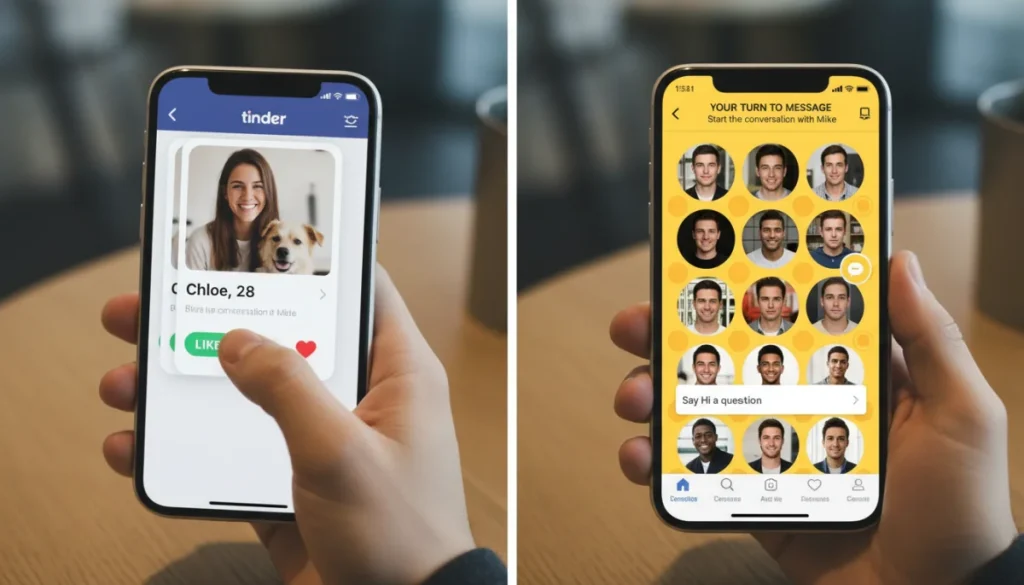
Tinder versus Bumble: comparing profile tools and communication features reveals that while both are leading dating apps, Tinder emphasizes quick swiping and immediate matching, whereas Bumble prioritizes detailed profiles and female-initiated communication, catering to different user preferences.
Navigating the modern dating landscape often begins with choosing the right app. When considering Tinder versus Bumble: comparing profile tools and communication features, it becomes clear that these two giants offer distinctly different approaches to online connection. Understanding these nuances is crucial for anyone looking to optimize their dating app experience and find meaningful interactions.
Understanding the core philosophies of Tinder and Bumble
Tinder and Bumble, though both dominant forces in the online dating world, operate on fundamentally different philosophies that shape their user experience. Tinder, often credited with popularizing the ‘swipe’ mechanism, emphasizes speed and visual appeal, allowing users to quickly assess profiles and make decisions. This approach has fostered a culture of high-volume interactions, where initial attraction is paramount.
Bumble, on the other hand, was founded with a focus on empowering women and fostering more respectful interactions. Its defining feature—requiring women to make the first move in heterosexual matches—aims to reduce unsolicited messages and encourage more thoughtful engagement. This difference in philosophy extends to how profiles are built and how communication unfolds on each platform, directly impacting user satisfaction and the quality of connections made.
Ultimately, the core philosophy of each app dictates the user journey from profile creation to initial conversation. Tinder’s design promotes a more spontaneous, often casual, environment, while Bumble cultivates a space for more intentional and curated interactions. Recognizing these underlying principles is the first step in deciding which platform aligns best with individual dating goals and communication styles.
Profile creation: depth versus brevity
The way users construct their profiles significantly influences their success on dating apps. In the comparison of Tinder versus Bumble: comparing profile tools and communication features, profile creation stands out as a key differentiator. Tinder’s profile creation is designed for efficiency, prioritizing visual information and concise bios, while Bumble encourages a more detailed and nuanced self-presentation.
Tinder’s streamlined profile approach
Tinder’s profile structure is famously minimalist. Users primarily upload photos and write a short bio, typically limited to 500 characters. This brevity encourages quick decision-making based largely on appearance and a few lines of text. While effective for fast-paced swiping, it can sometimes lead to superficial judgments.
- Photo-centric design: Emphasis on high-quality images.
- Concise bios: Limited space for personal descriptions.
- Spotify and Instagram integration: Optional links for more personality.
This design allows users to create a profile rapidly and jump into the swiping process, appealing to those who prefer spontaneity over extensive background checks. However, the lack of deeper insights can make it challenging to gauge compatibility beyond initial attraction.
Bumble’s comprehensive profile building
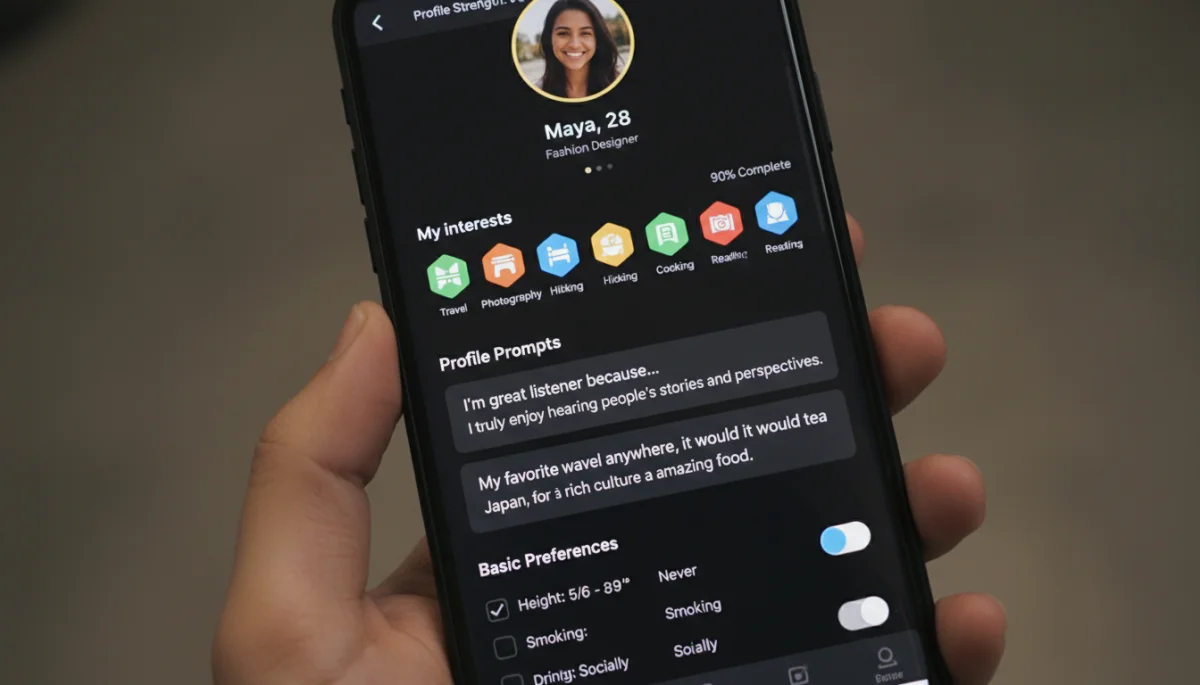
Bumble takes a more comprehensive approach to profile creation, offering various tools to help users showcase their personality beyond just photos. In addition to a bio, users can answer a series of ‘Profile Prompts’ which provide specific conversation starters and insights into their interests and values. These prompts can range from ‘I’m looking for…’ to ‘My ideal first date is…’.
- Detailed prompts: Encourages sharing unique aspects of personality.
- Badges for interests: Allows users to display hobbies, political leanings, and lifestyle choices.
- Photo verification: Ensures users are who they claim to be.
The emphasis on detailed profiles aims to facilitate more informed swiping and deeper initial connections. By providing more information upfront, Bumble encourages users to make more thoughtful decisions and reduces the likelihood of mismatched expectations. This approach caters to those seeking more substantial relationships from the outset.
In essence, Tinder’s profile tools are about quick impressions, while Bumble’s are about providing a richer context for connection. Your choice between the two will likely depend on whether you prefer a rapid assessment or a more thorough introduction.
Communication initiation: who makes the first move?
One of the most significant distinctions when comparing Tinder versus Bumble: comparing profile tools and communication features lies in how communication is initiated. This fundamental difference profoundly impacts user dynamics and overall dating experience on each platform. Tinder allows anyone to message first after a match, while Bumble places the power of the first message squarely in the hands of women in heterosexual pairings.
Tinder’s open communication model
On Tinder, once two users ‘match’ by both swiping right on each other’s profiles, either party can send the first message. This open communication model can lead to a high volume of messages, but also to a considerable number of generic or unsolicited opening lines. While some users appreciate the freedom, others find it overwhelming or prone to low-effort interactions.
- Mutual match, open chat: Anyone can initiate conversation.
- High volume of messages: Can lead to varied quality of interactions.
- Quick engagement: Allows for immediate follow-up after a match.
This approach fosters a dynamic where quick wit and engaging opening lines are often rewarded, but it can also mean that some users feel pressured to stand out in a crowded inbox. The freedom to message first can be a double-edged sword, offering convenience but sometimes lacking in quality control.
Bumble’s female-first approach
Bumble’s defining feature is its female-first communication rule. In heterosexual matches, only women can send the first message, and they have a 24-hour window to do so before the match expires. If the woman sends a message, the man then has 24 hours to respond. In same-sex matches, either person can initiate contact within 24 hours. This mechanism aims to create a more respectful and intentional environment.
- Women initiate: Empowers women and reduces unsolicited messages.
- 24-hour timer: Encourages timely communication and prevents ghosting.
- More thoughtful openings: Often leads to higher quality initial interactions.
This system is designed to empower women, giving them control over who they engage with and when. It often results in more thoughtful and engaging opening messages, as women are more invested in initiating conversations they genuinely want to have. For men, it means waiting to be messaged, which can be a relief from the pressure of initiating, but also requires patience. This distinct communication initiation process is a major factor for users considering which app aligns with their comfort levels and dating preferences.
Enhancing communication: features beyond the first message
Beyond the initial interaction, both Tinder and Bumble offer various features designed to facilitate ongoing communication and help users connect more deeply. When examining Tinder versus Bumble: comparing profile tools and communication features, it’s important to consider what happens after the first message is sent, as these tools can significantly impact the development of a connection.
Tinder’s communication enhancements
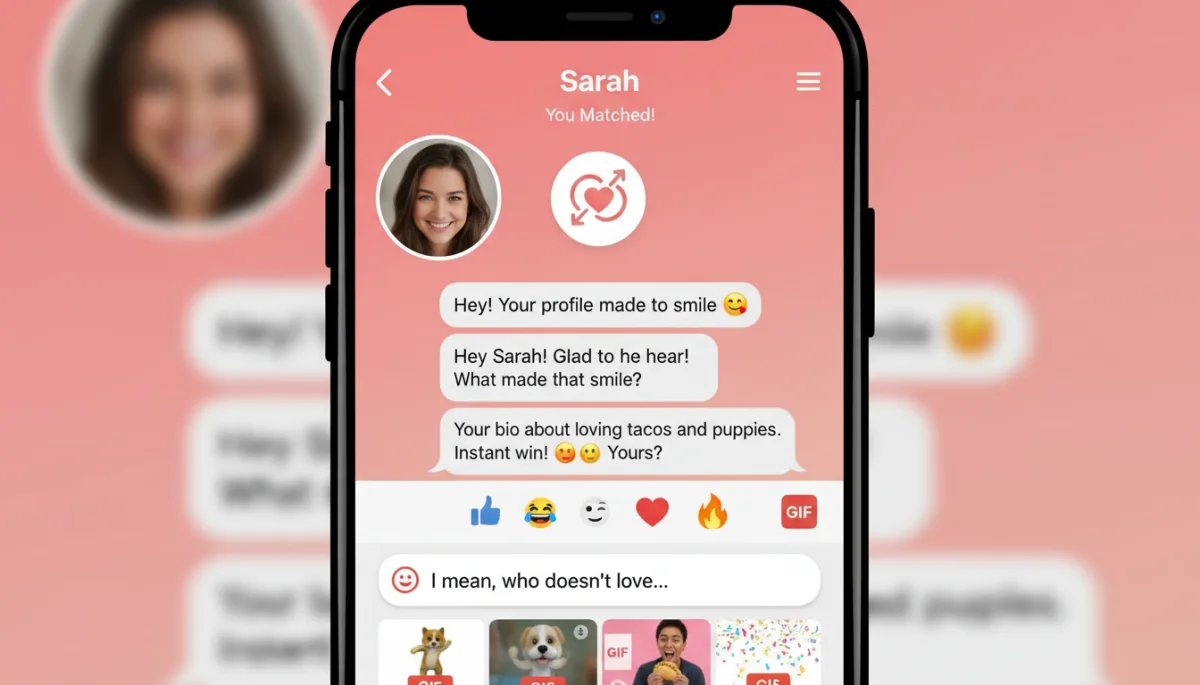
Tinder has evolved its messaging features to go beyond simple text, offering various ways for users to express themselves. These enhancements aim to keep conversations dynamic and engaging, catering to a user base that often values quick, informal interactions.
- GIFs and Emojis: A vast library of GIFs and emojis to add personality to chats.
- Photo sharing: Ability to share photos within the chat, though with certain limitations for safety.
- Video chat: An in-app video call feature allows users to connect face-to-face without exchanging personal contact information.
These features help users maintain a lively conversation, often breaking the ice with humor or visual cues. The video chat option, in particular, offers a safe way to move from text to a more personal interaction, allowing users to verify compatibility before meeting in person.
Bumble’s interactive communication tools
Bumble also provides a robust set of communication tools, often with a focus on fostering deeper connections and facilitating smoother transitions from online chat to offline dates. Its features are designed to encourage meaningful dialogue and reduce communication barriers.
- Question Game: A feature that allows matched users to answer a pre-set question simultaneously, revealing their responses only after both have answered. This helps break the ice with a shared activity.
- Voice and Video Calls: Similar to Tinder, Bumble offers in-app voice and video call functionalities, allowing users to connect safely without sharing phone numbers.
- Spotlight and SuperSwipe (paid features): While not direct communication tools, these features increase visibility and signal strong interest, often leading to more matches and subsequent conversations.
Bumble’s Question Game is a particularly effective tool for users who struggle with opening lines or want to bypass small talk, providing a structured way to discover commonalities. Both apps understand the importance of diverse communication options, enabling users to choose how they interact based on their comfort and conversational style. The availability of these tools can significantly enhance the user experience and the potential for forming lasting connections.
Safety and privacy features: securing your interactions
In the realm of online dating, safety and privacy are paramount concerns for users. When we delve into Tinder versus Bumble: comparing profile tools and communication features, it’s clear that both platforms have implemented various measures to protect their users, though their approaches and emphasis might differ. Understanding these features is crucial for a secure and comfortable dating app experience.
Tinder’s safety protocols
Tinder has invested in several safety features to help users feel more secure while using the app. These are often updated to address evolving online safety challenges. The app provides tools for reporting and blocking, and has recently introduced more advanced features.
- Photo verification: Helps confirm that users are real and their profile pictures are accurate.
- Safety Center: A dedicated section within the app offering resources and tools for staying safe.
- Reporting and blocking: Users can easily report inappropriate behavior or block unwanted contacts.
- Noonlight integration: In some regions, Tinder partners with Noonlight for emergency assistance, allowing users to discreetly trigger an alarm if they feel unsafe during a date.
While Tinder’s past reputation sometimes raised concerns, the platform has made significant strides in implementing robust safety measures. These tools are designed to give users control over their interactions and provide avenues for help if needed.
Bumble’s privacy and safety emphasis
Bumble has built its brand around fostering a respectful and safe environment, with many of its core features inherently contributing to user safety and privacy. The female-first messaging rule, for instance, significantly reduces the number of unsolicited and potentially harassing messages women receive.
- Private detector: An AI-powered feature that automatically blurs potentially inappropriate images sent within chats, giving users the option to view or report them.
- Photo verification: Similar to Tinder, Bumble uses photo verification to ensure authenticity.
- Reporting and blocking: Comprehensive tools for users to report and block others, with a strong moderation team reviewing complaints.
- Incognito mode (premium): Allows users to only be seen by people they have swiped right on, enhancing privacy.
Bumble’s proactive approach to safety, particularly with features like Private Detector, demonstrates a strong commitment to user well-being. Both apps continually evolve their safety and privacy features, recognizing the critical importance of creating a secure online environment for their communities. Users should always familiarize themselves with these tools and utilize them to ensure their personal safety.
Premium features and their impact on user experience
Both Tinder and Bumble offer premium subscriptions that unlock additional features, promising to enhance the user experience and potentially increase matching success. When considering Tinder versus Bumble: comparing profile tools and communication features, it’s worth examining how these paid options influence the dating journey. These premium tiers often provide advantages in visibility, control, and convenience.
Tinder’s premium offerings: Plus, Gold, and Platinum
Tinder offers a tiered subscription model with Tinder Plus, Gold, and Platinum, each providing a progressively richer set of features. These premium options are designed to give users more control over their visibility and interactions.
- Unlimited Likes: No cap on the number of profiles you can swipe right on.
- Passport: Change your location to match with people anywhere in the world.
- Rewind: Undo your last swipe if you made a mistake.
- See Who Likes You (Gold/Platinum): View profiles of people who have already swiped right on you.
- Prioritized Likes (Platinum): Your likes are seen faster by potential matches.
- Message Before Match (Platinum): Send a message before matching with someone.
These features primarily aim to increase visibility, provide more opportunities for matching, and offer greater convenience. For users who are active and want to maximize their chances, especially in competitive markets, these premium options can be quite appealing.
Bumble’s Boost and Premium subscriptions
Bumble’s premium subscriptions, Bumble Boost and Bumble Premium, also offer a range of features designed to optimize the user’s experience, often with a focus on efficiency and better matching.
- Bumble Boost:
- Backtrack: Undo an accidental left swipe.
- Extend: Add an extra 24 hours to matches before they expire.
- Unlimited Swipes: No daily limit on swiping.
- One Spotlight per week: Increases profile visibility for 30 minutes.
- Bumble Premium (includes Boost features plus):
- Beeline: See everyone who has already liked you.
- Advanced Filters: Filter potential matches by specific criteria like height, education, or lifestyle habits.
- Incognito Mode: Hide your profile from everyone except those you swipe right on.
- Travel Mode: Similar to Tinder’s Passport, change your location to a different city.
Bumble’s premium features lean towards providing more control over who you see and who sees you, alongside tools to manage the 24-hour match window more effectively. Both apps leverage their premium offerings to cater to users seeking a more tailored and efficient dating experience, demonstrating that while free versions are functional, the paid tiers often provide a significant upgrade in utility and control.
Choosing the right app for your dating goals
Deciding between Tinder and Bumble ultimately comes down to your personal dating goals, preferred interaction style, and what you prioritize in an online dating experience. Our comparison of Tinder versus Bumble: comparing profile tools and communication features highlights that each app caters to different needs, making the ‘best’ choice highly subjective.
When Tinder might be your match
Tinder is often the go-to choice for those who appreciate a fast-paced, high-volume approach to dating. If you enjoy the thrill of quick swiping, value visual attraction, and are comfortable with a more spontaneous communication style, Tinder could be ideal. It’s particularly popular for:
- Casual dating and hookups: Its design facilitates quick connections without the pressure of long-term commitment.
- Meeting many people: The vast user base and rapid matching system allow for a wide range of interactions.
- Experimenting with online dating: Its straightforward interface makes it easy for newcomers to get started.
Tinder’s strength lies in its accessibility and sheer volume of users, offering a broad spectrum of potential matches and experiences. However, it requires a discerning eye to sift through profiles and manage expectations.
When Bumble buzzes better for you
Bumble is often preferred by individuals seeking more intentional connections, respectful interactions, and a greater sense of control over their dating experience. If you appreciate detailed profiles, value female empowerment in communication, and prefer a more curated approach to matching, Bumble is likely a better fit. It excels in:
- Building serious relationships: The emphasis on detailed profiles and thoughtful communication fosters deeper connections.
- Reducing unsolicited messages: The female-first rule creates a more comfortable environment for women.
- Networking and friendships: Bumble’s ‘BFF’ and ‘Bizz’ modes extend its utility beyond romantic dating.
Bumble fosters an environment where quality often takes precedence over quantity, encouraging users to invest more in their profiles and initial interactions. Its unique communication initiation also contributes to a generally more positive and respectful user experience.
In conclusion, your decision hinges on personal preference. Consider whether you prefer the rapid-fire engagement of Tinder or the more deliberate, empowered interactions on Bumble. Both apps offer a pathway to connection, but they guide you through different journeys to get there.
| Feature | Description |
|---|---|
| Profile Depth | Tinder: Brief, photo-centric. Bumble: Detailed, includes prompts and badges. |
| First Message | Tinder: Either party. Bumble: Woman-first in heterosexual matches. |
| Safety Features | Both offer photo verification, reporting. Bumble has Private Detector. |
| Premium Benefits | Both offer boosts, unlimited likes, advanced filters, and more visibility. |
Frequently asked questions about Tinder and Bumble
Bumble is generally considered better for serious relationships due to its emphasis on detailed profiles and female-initiated communication, which often leads to more thoughtful interactions. Tinder, while it can lead to serious relationships, is often perceived as more geared towards casual dating.
Tinder focuses on brevity with short bios and photos. Bumble encourages more detailed profiles through prompts, interest badges, and comprehensive sections that allow users to showcase more personality and values upfront.
On Tinder, either matched party can send the first message. Bumble requires women to initiate the first message in heterosexual matches within 24 hours, giving them control and reducing unsolicited contact.
Premium features can be worth it if you want increased visibility, more control over your matches, and tools to save time. Both apps offer features like unlimited likes, advanced filters, and options to see who likes you, which can enhance the experience for active users.
Both Tinder and Bumble have implemented significant safety features like photo verification and reporting tools. Bumble’s female-first messaging and Private Detector feature often give it an edge in creating a perceived safer environment, particularly for women, by reducing unwanted interactions.
Conclusion
In the dynamic world of online dating, the choice between Tinder and Bumble hinges on a user’s individual preferences for profile depth, communication initiation, and overall dating goals. Our detailed comparison of Tinder versus Bumble: comparing profile tools and communication features reveals that while Tinder excels in rapid, high-volume interactions, Bumble shines in fostering more intentional, respectful, and female-empowered connections. Understanding these distinct approaches allows users to make an informed decision, ultimately leading to a more satisfying and successful online dating journey tailored to their unique needs and aspirations.
