Reporting harassment in an app: evidence preservation guide

Effectively reporting harassment in an app while preserving relevant evidence is crucial for user safety and for platforms to take appropriate action against malicious behavior.
Encountering harassment within an app can be a distressing experience, leaving many users unsure of the best course of action. The critical first step in addressing such situations is understanding how to approach reporting app harassment evidence effectively. This guide will walk you through the essential steps to not only report incidents but also to meticulously preserve all relevant evidence, significantly strengthening your case and contributing to a safer online environment for everyone.
Understanding app harassment and its impact
App harassment encompasses a wide range of unwelcome behaviors, from offensive messages and cyberstalking to impersonation and threats. These incidents can significantly impact a user’s mental well-being, privacy, and overall online experience. Recognizing the various forms of harassment is the first step toward effectively addressing it.
Harassment isn’t always overt; it can be subtle, persistent, and deeply personal. Understanding the types of harassment prevalent in digital spaces helps users identify when they are being targeted and, more importantly, when to seek help and report. This includes behaviors that might seem minor individually but accumulate to create a hostile environment.
Common forms of app harassment
Digital harassment manifests in numerous ways, each with its own set of challenges for victims and reporting mechanisms. Being aware of these forms is essential for accurate identification and subsequent action.
- Cyberbullying: Repeated, aggressive behavior intended to hurt another person, carried out using electronic forms of contact.
- Doxing: Publishing private or identifying information about an individual on the internet, typically with malicious intent.
- Stalking: Persistent and unwanted attention, surveillance, or contact that causes fear or distress.
- Hate speech: Abusive or threatening language that expresses prejudice against a particular group, especially on the basis of ethnicity, religion, or sexual orientation.
The emotional and psychological toll of app harassment can be severe, leading to anxiety, depression, and a sense of vulnerability. It’s important to acknowledge these impacts and prioritize personal safety and well-being throughout the reporting process. Platforms have a responsibility to provide tools and support for users experiencing such issues.
In conclusion, a clear understanding of what constitutes app harassment and its potential effects is foundational. This knowledge empowers users to recognize problematic interactions and prepare for the necessary steps to report and mitigate harm, ensuring that their digital spaces remain secure and respectful.
Immediate steps after experiencing harassment
When you first experience harassment in an app, your immediate actions are crucial for both your personal safety and the integrity of any future report. It’s natural to feel overwhelmed, but taking a moment to gather yourself and follow a structured approach can make a significant difference.
The first impulse might be to delete the offending content or block the harasser, but it’s vital to prioritize evidence collection before taking irreversible steps. Every piece of interaction, no matter how small it seems, can contribute to building a strong case.
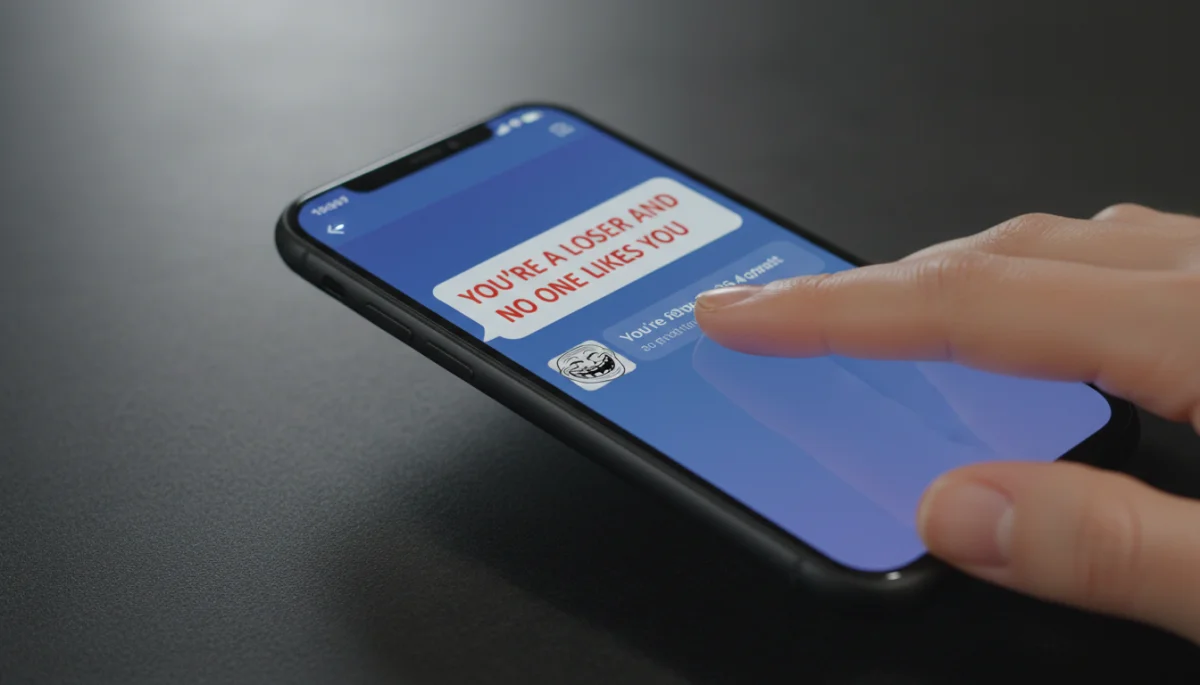
Documenting the harassment: screenshots and more
Capturing evidence is paramount. Screenshots are often the easiest and most direct way to document harassment. Ensure these screenshots include timestamps, usernames, and the full context of the offensive messages or content. Do not crop or alter them in any way.
- Screenshots: Capture all relevant messages, profiles, and interactions.
- Video recordings: If possible, record screen activity, especially for dynamic content or repeated incidents.
- Saving messages: Some apps allow saving chat logs or exporting data; utilize these features if available.
- Noting dates and times: Keep a running log of when incidents occurred, including the exact date and time.
Beyond digital captures, consider keeping a personal journal of events. This can include your emotional state, how the harassment affected you, and any other details that might not be apparent from the digital evidence alone. Such a record can be valuable if legal action becomes necessary.
After securing the evidence, you can then consider steps like blocking the harasser to prevent further contact. Remember, your safety and peace of mind are paramount. These immediate actions lay the groundwork for a successful report and potential resolution, protecting your digital experience.
Preserving digital evidence: best practices
Preserving digital evidence effectively goes beyond simply taking a screenshot; it involves a systematic approach to ensure the evidence is admissible and credible. This process is critical for anyone considering reporting app harassment evidence, as the quality of your documentation can make or break your case.
The digital nature of harassment means that evidence can be easily altered or deleted. Therefore, a robust preservation strategy is essential to maintain the integrity and authenticity of the information you collect. This often involves multiple layers of documentation and secure storage methods.
Technical steps for evidence integrity
To ensure your evidence is reliable, follow these technical best practices. These steps help to verify that the information you present is an accurate and unaltered representation of the harassment.
- Timestamping: Ensure screenshots and recordings clearly show the date and time. Most devices automatically include this.
- Full context capture: Capture the entire screen, including app name, usernames, and any other identifying information. Avoid cropping.
- Multiple formats: If possible, save evidence in various formats (e.g., JPEG, PNG for images; MP4 for videos) to ensure compatibility and redundancy.
- Cloud storage: Upload evidence to a secure cloud storage service with version control, providing an off-device backup and a record of changes.
It’s also advisable to involve a trusted third party if possible, such as a friend or family member, to witness the harassment or the evidence collection process. Their testimony could corroborate your claims if needed. Professional digital forensic services can also be engaged for complex cases, though this is often a last resort.
In conclusion, meticulous evidence preservation is not just about quantity but also about quality and authenticity. By adhering to these best practices, you significantly enhance the credibility and utility of your evidence when reporting app harassment, paving the way for effective action.
Navigating app reporting mechanisms
Once you have meticulously gathered and preserved your evidence, the next crucial step is to understand and navigate the specific reporting mechanisms provided by the app itself. Each platform has its own set of policies and procedures for handling harassment reports, and familiarity with these can greatly influence the success of your complaint.
It’s important to remember that app developers design these systems to manage a high volume of reports. Therefore, providing clear, concise, and well-supported information is key to ensuring your report stands out and receives the attention it deserves. Avoid emotional language and stick to the facts.

Understanding app policies and terms of service
Before submitting a report, take the time to review the app’s terms of service and community guidelines. These documents explicitly outline what constitutes prohibited behavior and the consequences for violating these rules. Referring to specific policy violations in your report can make it more impactful.
- Locate guidelines: Find the app’s community guidelines or terms of service, usually in the ‘settings’ or ‘help’ section.
- Identify violations: Pinpoint the specific rules the harasser has broken.
- Follow instructions: Adhere strictly to the app’s reporting process, including any required forms or fields.
- Be specific: Provide exact usernames, timestamps, and quotes from the harassing content.
When submitting your report, attach all the evidence you have collected in the format requested by the app. If there isn’t an option to attach files directly, you might need to provide links to cloud storage or describe how to access the evidence. Keep a record of your report submission, including any reference numbers or confirmation emails.
In summary, a clear understanding of the app’s reporting mechanisms, coupled with a well-documented report that cites specific policy violations, significantly increases the likelihood of a favorable outcome. This systematic approach is essential for effective reporting app harassment evidence and ensuring accountability.
Legal considerations and external reporting
While reporting harassment directly to the app is often the first step, some situations may warrant external reporting or even legal action. Understanding these legal considerations and alternative reporting avenues is crucial, especially when the harassment is severe, persistent, or involves threats.
The legal landscape surrounding online harassment varies by jurisdiction, but generally, laws exist to protect individuals from cyberstalking, defamation, and hate speech. Knowing your rights and the available legal recourse can provide an additional layer of protection and accountability.
When to involve law enforcement or legal counsel
Not all harassment warrants legal intervention, but certain types of behavior cross a line into criminal activity. It’s important to recognize these instances and know when to seek help beyond the app’s internal mechanisms.
- Threats of violence: Any direct or indirect threats to your physical safety or the safety of others.
- Child exploitation: Any content or communication involving the exploitation of minors.
- Severe defamation: False statements that seriously harm your reputation.
- Cyberstalking: Persistent and unwanted online attention that causes fear or significant distress.
If you decide to involve law enforcement, provide them with all the preserved evidence. Digital evidence, when collected properly, can be instrumental in police investigations. You may also consult with a legal professional specializing in cyber law to understand your options, which could include civil lawsuits for damages or restraining orders.
External reporting can also include consumer protection agencies or anti-harassment organizations that offer support and guidance. These organizations often have resources and expertise that can help victims navigate complex situations and advocate on their behalf.
Ultimately, the decision to pursue external reporting or legal action depends on the severity and nature of the harassment. By being informed about these options, you empower yourself to take appropriate action when app-level reporting is insufficient for reporting app harassment evidence effectively.
Preventative measures and community building
Beyond reactive measures, proactive steps and fostering a supportive online community are essential for minimizing the occurrence and impact of app harassment. Prevention is always better than cure, and individual actions, combined with platform efforts, can create a much safer digital environment.
Users can empower themselves by taking control of their privacy settings, understanding who can interact with them, and being mindful of the information they share online. These personal safeguards are the first line of defense against potential harassers.
Enhancing personal privacy and safety settings
Most apps offer a range of privacy and safety settings that users can customize to reduce their exposure to unwanted interactions. Regularly reviewing and updating these settings is a simple yet effective preventative measure.
- Review privacy settings: Limit who can see your profile, send messages, or view your activity.
- Block and mute features: Utilize these tools proactively to manage unwanted contacts and content.
- Strong passwords: Ensure your accounts are secured with unique, strong passwords and two-factor authentication.
- Be mindful of shared information: Avoid sharing sensitive personal details that could be used for harassment or doxing.
Community building also plays a significant role. Participating in positive online communities, reporting suspicious behavior, and supporting fellow users who are experiencing harassment can collectively create a deterrent against malicious actors. Many platforms encourage users to flag inappropriate content, making everyone a guardian of the community.
Furthermore, educational initiatives that raise awareness about online etiquette, digital citizenship, and the consequences of harassment can help cultivate a more respectful online culture. Platforms, users, and advocacy groups all have a part to play in fostering these environments.
In conclusion, a combination of robust personal privacy settings and active participation in fostering positive online communities serves as a powerful preventative strategy. These measures, alongside effective reporting app harassment evidence, contribute to a safer and more enjoyable digital experience for all.
The psychological impact and seeking support
Experiencing harassment in an app can have profound psychological effects, ranging from stress and anxiety to feelings of isolation and fear. It’s crucial to acknowledge these impacts and understand the importance of seeking support during and after the reporting process. Mental well-being is paramount, and you do not have to go through this alone.
The emotional toll can sometimes be more damaging than the direct content of the harassment. Persistent negative interactions can erode self-esteem and trust, making it difficult to engage in online spaces or even in daily life. Recognizing these signs is the first step toward healing.
Resources for emotional and psychological support
Various resources are available to help individuals cope with the psychological impact of online harassment. Seeking professional help or connecting with support networks can provide much-needed comfort and guidance.
- Therapy and counseling: Professional mental health services can help process trauma and develop coping mechanisms.
- Support groups: Connecting with others who have experienced similar harassment can reduce feelings of isolation and provide a sense of community.
- Helplines: Many organizations offer crisis hotlines and online support for victims of cyberbullying and harassment.
- Trusted friends and family: Leaning on your personal support network can provide immediate emotional relief and practical assistance.
It’s also important to practice self-care during this time. This can include taking breaks from screens, engaging in hobbies, exercising, and ensuring adequate rest. Protecting your mental health is an active process that deserves as much attention as the technical aspects of reporting.
Remember, healing is a journey, and there is no shame in seeking help. The experience of harassment is not your fault, and taking steps to address both the external issue and your internal well-being is a sign of strength.
In conclusion, while the focus on reporting app harassment evidence is critical for accountability, equally important is acknowledging and addressing the psychological impact. Utilizing available support systems is vital for recovery and maintaining overall mental health in the face of digital adversity.
| Key Action | Brief Description |
|---|---|
| Document Harassment | Capture screenshots, videos, and timestamps of all offensive content and interactions. |
| Preserve Evidence | Store evidence securely in multiple formats, ensuring authenticity and integrity for potential use. |
| Report to App | Utilize the app’s reporting tools, citing specific policy violations and attaching all collected evidence. |
| Seek Support | Address psychological impact by seeking professional help or connecting with support groups and trusted individuals. |
Frequently asked questions about reporting app harassment
The most important initial step is to immediately document all instances of harassment. This includes taking screenshots or video recordings that clearly show usernames, timestamps, and the full context of the offensive messages or content before taking any other action like blocking.
To ensure credibility, always capture full-screen images or videos that include timestamps and user IDs. Avoid cropping or altering any evidence. Store copies in multiple secure locations, such as cloud storage, to prevent loss or accidental deletion and maintain authenticity.
You should consider involving law enforcement if the harassment involves threats of physical violence, child exploitation, severe defamation, or persistent cyberstalking that causes significant fear or distress. Always prioritize your safety and consult legal counsel if unsure.
App community guidelines are crucial as they define prohibited behaviors. Citing specific violations from these guidelines in your report strengthens your case, helping the platform understand the nature of the offense and take appropriate, swift action against the harasser.
Protecting your mental health involves seeking support from therapists, counselors, or support groups. It’s also vital to practice self-care, take breaks from screens, and lean on trusted friends and family. Acknowledging the emotional impact and seeking help is a sign of strength.
Conclusion
Effectively handling harassment in an app requires a combination of proactive preparedness, meticulous evidence preservation, and a clear understanding of reporting pathways. By documenting incidents carefully, understanding platform policies, and knowing when to seek external support, users can significantly enhance their ability to report harassment and contribute to safer digital spaces. Ultimately, prioritizing personal safety and well-being, while holding harassers accountable, remains paramount in navigating the complexities of online interactions.
