Planning Your First In-Person Group Meetup Online Friends
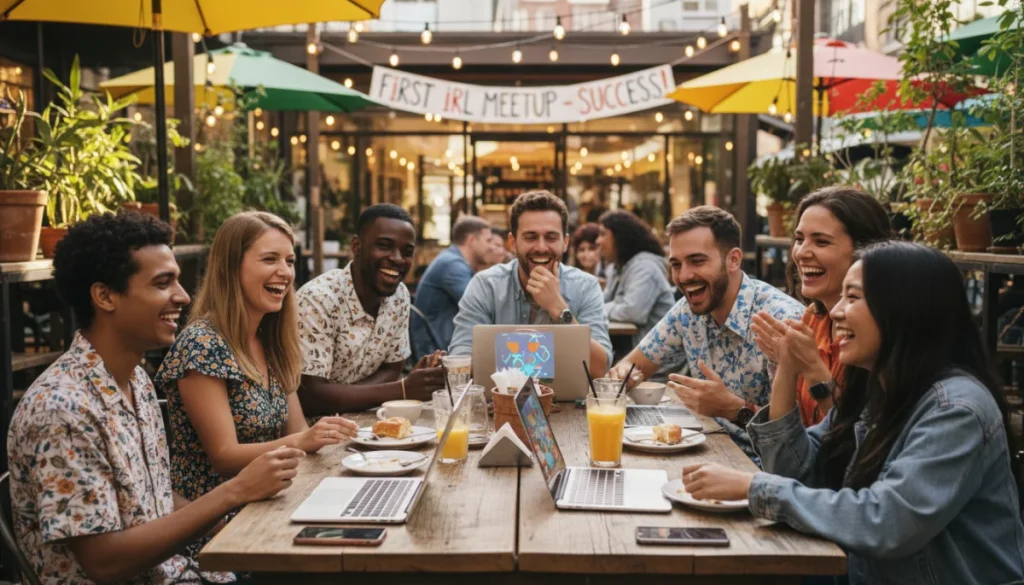
Successfully planning a first in-person group meetup with people you met online requires careful coordination, prioritizing safety, and creating an inclusive environment to foster genuine connections and memorable shared experiences.
The digital age has revolutionized how we connect, fostering friendships across continents and cultures. But what happens when those pixels turn into people? Planning a first in-person group meetup with people you met online can be an incredibly rewarding experience, transforming virtual bonds into real-world connections. This guide will walk you through every essential step to ensure your first group gathering is safe, fun, and memorable.
Setting the Foundation: Initial Considerations and Communication
Before diving into the logistics of a physical gathering, it’s crucial to establish a solid foundation of trust and clear communication within your online group. This initial phase sets the tone for the entire meetup, ensuring everyone feels comfortable and excited about the prospect of meeting in person. Open dialogue is key to addressing any concerns and building collective anticipation.
Gauge Interest and Availability
The very first step is to see who’s genuinely interested and available. Don’t assume everyone will be on board immediately. Some might have reservations, while others might be thrilled. Use your established online communication channels to float the idea.
- Polls and Surveys: Utilize platform features like polls (Discord, Facebook groups) or simple survey tools to gather initial interest.
- Preferred Dates/Times: Ask about general availability (weekends, weekdays, evenings) and potential dates far enough in advance.
- Location Preferences: Get a sense of what areas would be most convenient for the majority, without committing to anything yet.
Once you have a general idea of who’s interested, you can start narrowing down the options. This process helps manage expectations and ensures that you’re not planning for an event that only a few can attend. Transparency from the start builds confidence.
Effective communication during this stage is paramount. Be clear that this is an exploratory phase and that no commitments are being made yet. This reduces pressure on individuals and allows for honest feedback, which is vital for a successful first meetup. Remember, the goal is to create an experience that feels inclusive and accessible to as many members as possible.
Prioritizing Safety: Essential Guidelines for First-Time Meetups
Safety should be the absolute top priority when planning a first in-person group meetup with people you met online. While you might feel like you know these individuals well through online interactions, the real world presents different considerations. Taking proactive steps can mitigate risks and ensure everyone feels secure and comfortable.
Establishing clear safety protocols isn’t about fostering distrust; it’s about being responsible and ensuring a positive experience for all participants. Discuss these guidelines openly within the group so everyone is aware and can contribute to a safe environment.
Choosing a Safe and Public Venue
The location of your first meetup is critical. Opt for places that are well-lit, easily accessible, and have plenty of other people around. Avoid isolated or private settings, especially for the initial encounter.
- Public Restaurants/Cafes: These offer a neutral, public setting with staff present.
- Community Centers or Parks: Good for more relaxed, activity-based meetups during daylight hours.
- Busy Entertainment Venues: Places like arcades, bowling alleys, or museums provide built-in activities and a public atmosphere.
Always consider the accessibility of the venue for everyone in the group. Ensure it’s easy to reach via public transport or has ample parking. A central location often works best to minimize travel burdens for participants coming from different areas. The goal is to make the location as stress-free as possible.
Sharing Plans and Emergency Contacts
Even in a group setting, it’s wise for individuals to inform a trusted friend or family member about their plans. This creates an additional layer of security. Encourage everyone to share details like the meetup location, time, and who they are meeting with someone outside the group.
Consider creating a temporary group chat for the meetup day itself, where people can share their ETA, any last-minute changes, or if they need assistance. This also allows for discreet communication if someone feels uncomfortable and needs to leave. Having a designated point person, perhaps the organizer, can also be beneficial for coordination and any minor issues that might arise.
Remember, the collective safety of the group is everyone’s responsibility. By discussing and implementing these safety measures, you foster an environment where everyone can relax and enjoy the company without undue worry. This builds a foundation of trust that extends beyond the virtual realm.
Logistical Mastery: Planning the Meetup Details
Once safety is addressed and interest is confirmed, it’s time to dive into the practicalities of planning a first in-person group meetup with people you met online. This involves making concrete decisions about where, when, and what you’ll be doing. Careful planning here ensures a smooth and enjoyable experience for everyone.
Effective logistics prevent confusion and make the day flow effortlessly. Think through each detail from the perspective of someone attending for the first time, trying to anticipate any questions or potential hiccups.
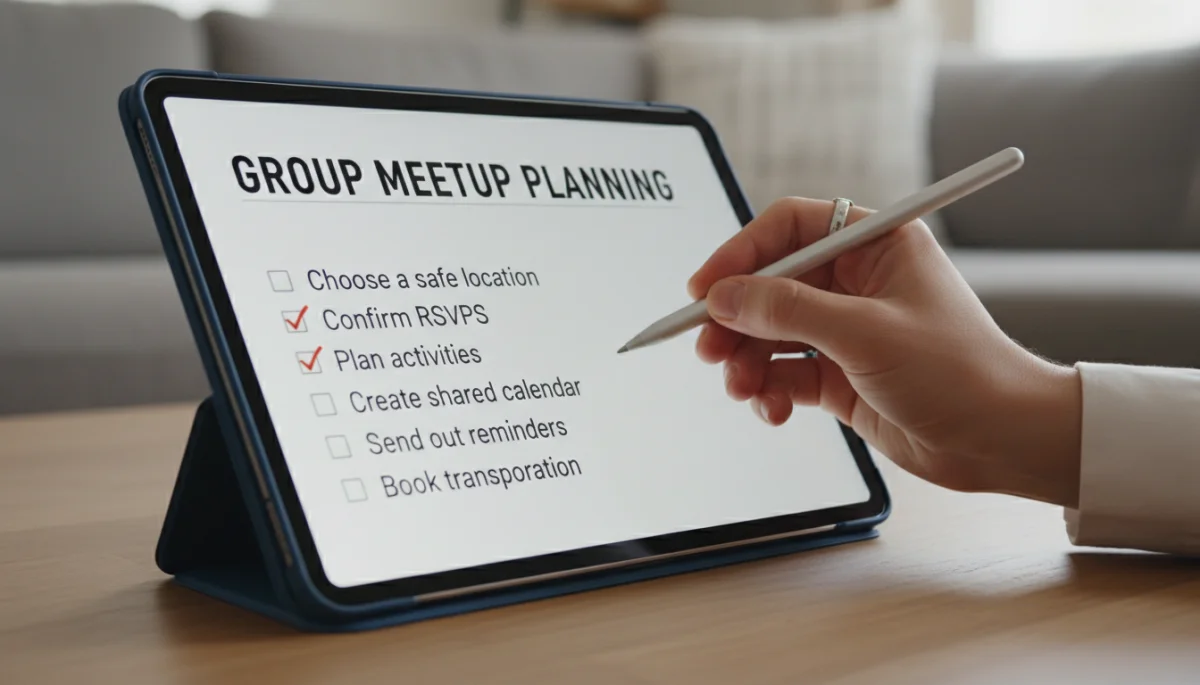
Choosing the Perfect Date and Time
Based on your initial availability polls, select a date and time that accommodates the maximum number of interested participants. Weekends, particularly Saturday afternoons, often prove most popular for group gatherings.
- Consider Travel: Factor in travel time for those coming from a distance.
- Duration: Plan for a reasonable duration, perhaps 2-3 hours for a first meetup, allowing people to leave if they wish or extend if everyone is enjoying themselves.
- Backup Dates: Have a secondary date in mind in case the primary one falls through due to unforeseen circumstances.
Announce the chosen date and time well in advance, giving everyone ample opportunity to make arrangements. Send out calendar invites if appropriate for your group’s dynamic. Clear communication about the schedule helps manage expectations and reduces last-minute cancellations.
Selecting an Engaging Activity
The activity you choose can make or break a first meetup. It should be something that encourages interaction without putting too much pressure on conversation. Avoid activities that are overly loud, require intense focus, or separate the group too much.
Consider a variety of options that cater to different preferences within your group. A casual, low-pressure activity is often best for breaking the ice and allowing natural conversation to develop. The goal is to create shared experiences that build on your existing online camaraderie.
For instance, a board game cafe offers a structured activity with natural conversation breaks. A group walk in a scenic park can be relaxing and provide opportunities for smaller discussions. A casual meal at a restaurant is a classic for a reason, allowing for sustained conversation. Whatever you choose, make sure it has a clear start and end point, and that it’s easy for everyone to participate.
Fostering Connection: Icebreakers and Inclusivity
The transition from online chat to in-person interaction can sometimes be awkward, even among friends. Thoughtful planning for icebreakers and ensuring an inclusive atmosphere can significantly smooth this transition, making everyone feel more at ease and encouraging genuine connection at your planning a first in-person group meetup with people you met online event.
The aim is to create a welcoming space where everyone feels comfortable contributing and being themselves. This goes beyond just the initial greetings; it’s about sustained effort throughout the meetup to ensure no one feels left out.
Gentle Icebreakers, Not Forced Fun
While some people love structured icebreakers, others find them intimidating. Opt for subtle, natural ways to get conversations flowing, rather than forcing everyone into a spotlight. The best icebreakers facilitate organic interaction.
- Shared Interests: Refer back to the common interests that brought your online group together.
- Casual Questions: Ask open-ended questions about hobbies, recent experiences, or light topics.
- Group Activity: Let the chosen activity be the natural icebreaker, providing common ground for discussion.
For example, if your group is centered around a specific video game, discussing recent updates or funny in-game moments can quickly spark conversation. If it’s a book club, talking about the latest read is a natural starting point. The key is to leverage the existing commonalities rather than inventing new ones.
Ensuring Everyone Feels Included
It’s easy for conversations to splinter into smaller groups, especially in a larger gathering. As the organizer, or even as a participant, make an effort to draw quieter members into the conversation. This might involve direct but gentle invitations or shifting the topic to something you know they are interested in.
Be mindful of group dynamics. If someone seems reserved, a simple, “What do you think about X?” can be enough to include them. Avoid inside jokes that only a few people understand, or if they happen, quickly explain the context so no one feels excluded. The goal is to make sure every voice has an opportunity to be heard and valued, reinforcing the sense of community that brought you all together online.
A truly inclusive meetup is one where everyone leaves feeling like they were an important part of the experience. This thoughtful approach to interaction can turn a good meetup into a great one, laying the groundwork for future gatherings and stronger friendships.
Managing Expectations and Contingencies
Even with meticulous planning, the first in-person group meetup with online friends can present unexpected challenges. Managing expectations and having contingency plans in place are crucial for a smooth and enjoyable experience, regardless of minor bumps along the road. It’s about being prepared for various scenarios.
Real-life interactions differ from online ones, and acknowledging this can help prevent disappointment. A flexible mindset is your best asset when bringing virtual connections into the physical world.
Realistic Expectations for First Encounters
It’s important to remember that people can be different in person than they are online. Some might be shyer, others more outgoing. The dynamic might feel a little different at first, and that’s completely normal. Don’t expect instant, seamless chemistry identical to your online rapport.
- Awkwardness is Normal: There might be moments of silence or initial awkwardness; embrace it as part of the process.
- Personalities Vary: Be open to discovering new facets of your friends’ personalities.
- Focus on Connection: Prioritize making genuine connections over having a ‘perfect’ meetup.
Encourage everyone to come with an open mind and a willingness to engage. The goal is to build upon existing friendships, not to replicate the online experience exactly. The nuances of non-verbal communication and shared physical space add a new layer to relationships that takes time to develop.
Backup Plans and Communication
What if your chosen venue is unexpectedly closed? What if someone gets lost? Having backup plans for common issues can save the day. Share these contingencies with the group beforehand so everyone knows what to do if the primary plan goes awry.
Establish a clear communication channel for the day of the meetup (e.g., a temporary group chat on a messaging app). This allows for quick updates, sharing locations, or addressing any immediate concerns. Designate a point person who can be contacted if anyone has trouble finding the location or needs assistance.
For example, have a backup restaurant in mind if your first choice is too crowded. If you’re meeting in a park, identify a nearby cafe as a rain alternative. Being prepared for the unexpected demonstrates good leadership and helps everyone feel more secure, knowing that potential issues have already been considered.
Post-Meetup Reflection: Sustaining Connections
The first in-person group meetup with people you met online is just the beginning. The period immediately following the event is crucial for cementing those new real-world connections and laying the groundwork for future interactions. Thoughtful follow-up can transform a one-time event into a lasting tradition.
Reflecting on the experience and planning for the future helps sustain the momentum generated by the meetup. It shows appreciation and keeps the community engaged, whether online or offline.
Sharing Memories and Feedback
After the meetup, encourage participants to share photos, videos, or anecdotes in your online group. This allows everyone to relive the fun, and those who couldn’t attend can still feel a part of the experience. Creating a shared album or thread can be a great way to consolidate these memories.
Solicit feedback from the group. What did they enjoy most? What could be improved for next time? This valuable input helps in planning a first in-person group meetup with people you met online, and subsequent meetups more effectively. A simple poll or open discussion can gather these insights without putting anyone on the spot. Constructive criticism is a gift that helps refine future plans.
Planning for the Next Get-Together
If the first meetup was a success, the enthusiasm for a second one will likely be high. Don’t wait too long to discuss future plans. Even a tentative idea can keep the excitement alive.
- Regularity: Discuss if the group would like to make meetups a regular occurrence (e.g., quarterly, twice a year).
- Activity Rotation: Suggest trying different types of activities to cater to varied interests.
- New Locations: Explore other venues or cities if your group is geographically diverse.
By proactively discussing the next steps, you reinforce the idea that this is a growing community, not just a one-off event. This forward-looking approach helps maintain the bonds forged during the first meetup and encourages deeper, more meaningful friendships over time. The goal is to keep the connections vibrant and evolving, both online and in person.

Building Sustainable Offline Communities
Beyond the initial meetup, the true challenge and reward lie in building sustainable offline communities from your online connections. This requires ongoing effort, adaptability, and a commitment to nurturing relationships. A successful first meetup is merely the first step in a longer journey of friendship and community development.
The transition from virtual to real-world interactions often strengthens bonds in unforeseen ways, creating a richer and more supportive network. This section explores strategies for maintaining that momentum and fostering a thriving community.
Maintaining Communication Channels
While in-person meetups are invaluable, your original online communication channels remain vital. Continue to engage regularly, sharing updates, memes, and discussions that keep the group connected between physical gatherings. This continuous engagement prevents the community from feeling like it only exists during meetups.
- Active Online Presence: Encourage members to stay active in your established online groups or forums.
- Share Experiences: Share snippets of daily life or interesting articles relevant to group interests.
- Virtual Hangouts: Occasionally organize virtual events (game nights, movie watch parties) to bridge the gap between physical meetups.
The online space can serve as a valuable hub for planning future events, sharing photos from past meetups, and simply maintaining the camaraderie. It’s the glue that holds the community together, ensuring that even when physically apart, members still feel connected and part of something larger.
Evolving Group Dynamics and Activities
As your group matures, its dynamics and interests might evolve. Be open to trying new activities and exploring different ways to connect. What worked for the first meetup might not be the best fit for the tenth. Listen to the group’s preferences and be flexible in your planning.
Perhaps some members develop new shared interests that warrant a specialized meetup, like a hiking group or a craft workshop. Encourage members to take initiative in organizing smaller, more niche gatherings. This decentralization of planning can empower individuals and lead to a more diverse range of activities, catering to the varied passions within your community.
Ultimately, building a sustainable offline community from online connections is an organic process. It thrives on mutual respect, shared experiences, and a genuine desire to connect. By consistently nurturing these relationships, you can create a vibrant, supportive network that enriches everyone’s lives, proving that true friendship knows no bounds, virtual or otherwise.
| Key Aspect | Brief Description |
|---|---|
| Prioritize Safety | Choose public venues and share plans with trusted contacts for a secure first meeting. |
| Clear Communication | Gauge interest, confirm details, and keep everyone informed before, during, and after the meetup. |
| Engaging Activities | Select activities that encourage interaction without pressure, fostering natural conversation. |
| Manage Expectations | Understand that in-person dynamics may differ from online; embrace initial awkwardness as normal. |
Frequently Asked Questions About Online Meetups
Always opt for a public, well-lit place with other people around, such as a busy cafe, restaurant, or a public park during the day. Ensure it’s easily accessible for everyone and avoid private residences or isolated areas for safety.
It’s common for online and offline personas to differ. Approach the meetup with an open mind and realistic expectations. Focus on genuine connection rather than replicating the online dynamic, and allow for natural relationship development.
It’s generally advisable to stick to established group chat channels or social media for initial post-meetup communication. Only share personal contact details like phone numbers or home addresses when you feel completely comfortable and have built sufficient trust with individuals.
As an organizer or participant, make an effort to draw quieter members into discussions by asking open-ended questions or shifting topics to their known interests. Avoid exclusive inside jokes and ensure explanations are provided if they occur.
Share photos and memories in your online group, and solicit feedback on what went well and what could be improved. Discuss potential future meetups to maintain momentum and strengthen the newly formed in-person bonds.
Conclusion
Successfully planning a first in-person group meetup with people you met online is a nuanced process that blends careful logistics with a keen understanding of human connection. By prioritizing safety, fostering clear communication, and creating an inclusive environment, you can transform virtual friendships into tangible, real-world bonds. Remember that patience and flexibility are key, as real-life dynamics can differ from online interactions. Embracing these principles ensures that your first group gathering is not just a one-off event, but the foundation for a thriving, supportive community that enriches everyone’s lives, both online and off.
