Planning a first date from an app: practical boundaries and safety

Planning a first date from an app: practical boundaries and safety is crucial for a positive experience, requiring proactive steps from vetting profiles to establishing meeting protocols and communicating expectations clearly.
Planning a first date from an app: practical boundaries and safety precautions has become an essential skill in today’s digital dating landscape. As more connections begin online, understanding how to transition from virtual chats to real-life meetings safely and confidently is paramount. This article will guide you through establishing clear boundaries and implementing crucial safety measures to ensure your first in-person encounter is both enjoyable and secure.
Establishing a safety mindset before the first date
Before even thinking about where to meet, cultivating a strong safety mindset is the foundational step for any app-based first date. This involves recognizing potential risks and proactively planning to mitigate them, rather than reacting to situations as they arise. Your personal safety is non-negotiable, and empowering yourself with a clear strategy can make all the difference.
It’s vital to remember that while dating apps offer incredible opportunities for connection, they also introduce unique challenges regarding personal security. Taking the time to prepare mentally and practically will not only protect you but also allow you to relax and genuinely enjoy the experience once you’re there.
Vetting your match: beyond the profile picture
A profile picture and a catchy bio are just the surface. True vetting goes deeper, aiming to establish a basic level of trust and consistency before committing to an in-person meeting. This stage is crucial for ensuring the person you’re about to meet is genuinely who they say they are.
- Social media check: A quick, non-invasive search on public platforms like LinkedIn, Instagram, or even Facebook can often confirm identity and provide a glimpse into their life. Look for consistency in names, locations, and interests.
- Video call before meeting: A short video call is an excellent way to confirm their identity and gauge their personality beyond text. It allows you to observe mannerisms, listen to their voice, and ensure there’s a genuine connection.
- Ask open-ended questions: Engage in conversations that require more than a ‘yes’ or ‘no’ answer. This helps reveal their communication style, values, and whether they are genuinely interested in getting to know you.
The goal of this vetting process is not to become a private investigator, but to gather enough information to feel comfortable and confident moving forward. If anything feels off or inconsistent during this stage, it’s a red flag that should be acknowledged and addressed, potentially by reconsidering the date.
Communicating your boundaries and expectations
Clear communication is a cornerstone of safe dating. Before the date, have an open conversation about expectations and boundaries, even if it feels a little awkward. This sets a respectful tone and ensures both parties are on the same page, reducing the likelihood of uncomfortable situations.
It’s important to communicate what you are looking for in a first date. Are you just looking for a casual coffee, or are you open to a longer evening? Discussing these aspects beforehand can prevent misunderstandings and align expectations.
Ultimately, establishing a strong safety mindset before the first date means taking ownership of your experience. By carefully vetting your match and communicating your boundaries, you lay the groundwork for a secure and enjoyable initial encounter, transforming potential anxiety into excitement for a positive connection.
Choosing the right meeting spot: public, safe, and accessible
The location of your first date is as important as the person you’re meeting. Opting for a public, safe, and easily accessible venue is a fundamental safety precaution that provides a sense of security and control. This choice significantly reduces vulnerabilities and creates a comfortable environment for both individuals to interact.
When selecting a meeting spot, consider places that are well-lit, have plenty of foot traffic, and offer easy escape routes if needed. The goal is to minimize any potential for isolation or feeling trapped, ensuring you can focus on getting to know your date without unnecessary worries.
Public places are paramount
Always choose a public place for your first meeting. This means avoiding secluded parks, private residences, or quiet, out-of-the-way restaurants. The presence of other people acts as a natural deterrent to inappropriate behavior and provides immediate assistance should any issues arise.
- Cafes and coffee shops: Excellent for daytime dates, offering a relaxed atmosphere with plenty of people around.
- Restaurants: Good for evening dates, but choose one that is lively and has a good reputation.
- Museums or art galleries: Provide a structured activity in a public setting, offering natural conversation starters.
Public places also allow you to observe your date in a neutral setting, seeing how they interact with others and handle various social situations. This can offer valuable insights into their character beyond what was discussed online.
Accessibility and personal transportation
Ensuring you have independent transportation to and from the date is another critical safety measure. Relying on your date for a ride can compromise your ability to leave if you feel uncomfortable or unsafe. Always have your own means of getting there and back.
Plan your route in advance and consider using ride-sharing services, public transport, or your own car. Inform a trusted friend or family member about your transportation plans, including expected arrival and departure times. This creates an additional layer of accountability and ensures someone knows your whereabouts.
By prioritizing a public, safe, and accessible meeting spot with independent transportation, you actively contribute to your own safety and peace of mind. This proactive approach allows you to fully engage with the date, knowing you have a secure environment and a clear exit strategy if necessary.
Sharing your plans: the trusted contact system
One of the most effective safety precautions when planning a first date from an app: practical boundaries and safety precautions is to implement a trusted contact system. This involves informing a friend or family member about your date plans, ensuring someone knows where you are and who you’re with. This simple step can provide immense peace of mind and an important safety net.
The trusted contact system isn’t about being overly cautious; it’s about being responsible. In an age where digital connections often lead to real-world encounters with strangers, having someone aware of your plans is a smart and necessary practice. It creates an accountability partner who can check in on you and act if needed.
What to share with your trusted contact
Be specific and thorough when sharing your date details with your chosen contact. The more information they have, the better equipped they will be to assist you if an unexpected situation arises.
- Date’s full name and a recent photo: If available, share their full name, and definitely a recent photo from their dating profile.
- Meeting location and time: Provide the exact address of the venue and the scheduled start time of the date.
- Expected end time: Give an approximate time when you expect the date to conclude.
- Check-in plan: Establish a specific time to check in with your contact after the date. This could be a text message or a quick call.
It’s also a good idea to share any specific concerns you might have or anything that felt unusual during your pre-date communications. Your trusted contact can offer an objective perspective and help you decide if proceeding with the date is a good idea.
Utilizing location sharing features
Many smartphones offer built-in location-sharing features that can be incredibly useful for first dates. Consider enabling temporary location sharing with your trusted contact for the duration of your date. This allows them to see your real-time location without constant check-ins.
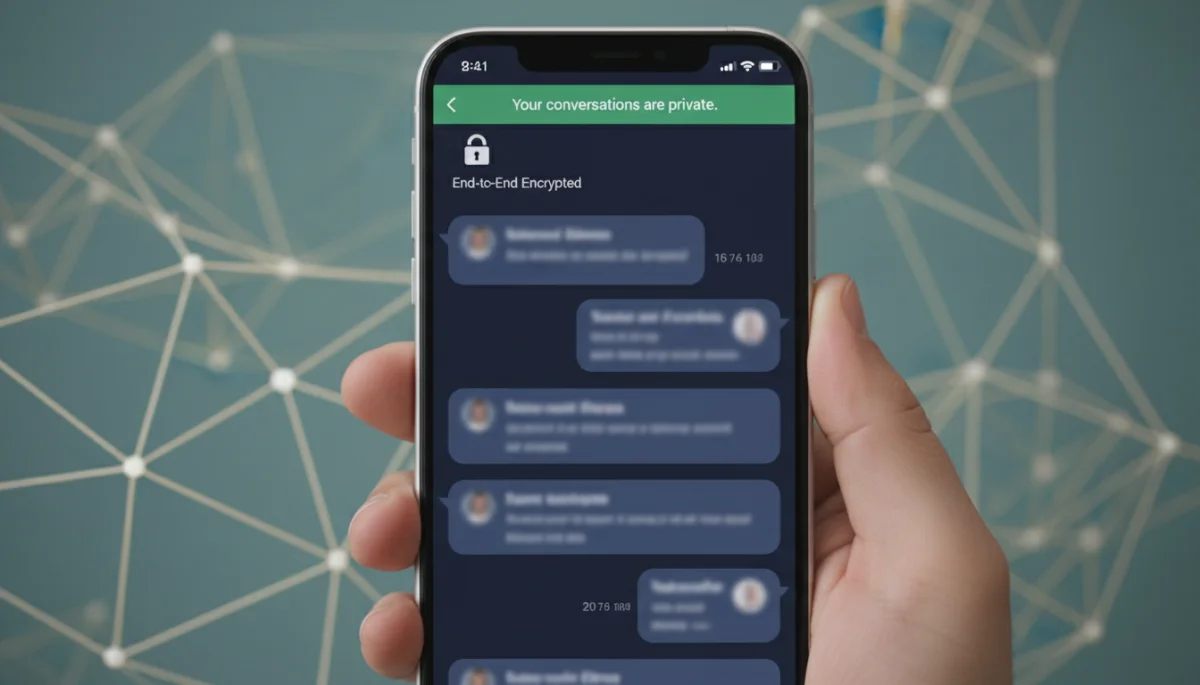
Apps like ‘Find My’ for iOS or ‘Google Maps’ location sharing for Android can be set to share your location for a limited time. Remember to disable this feature once you are safely home. Discuss this with your trusted contact beforehand so they know what to expect and how to use the information responsibly.
The trusted contact system is a proactive measure that empowers you to date confidently. By enlisting the support of a friend or family member and utilizing available technology, you add a vital layer of protection to your first app-based date, ensuring someone is looking out for your well-being.
Setting personal boundaries during the date
While external safety measures are crucial, equally important is the ability to set and enforce personal boundaries during the date itself. This involves being assertive about your comfort levels, communicating your limits, and recognizing when a situation feels off. Your personal boundaries are a reflection of your self-respect and are essential for a positive dating experience.
It’s natural to want to be polite and accommodating, but never at the expense of your own comfort or safety. Being clear about what you are and are not comfortable with is a sign of strength and emotional intelligence, and a respectful date will appreciate your honesty.
Saying ‘no’ and ending the date early
You are never obligated to stay in a situation that makes you uncomfortable. If your date says or does anything that makes you feel uneasy, unsafe, or disrespected, you have every right to end the date immediately. Trust your gut feeling; it’s often your best indicator of danger.
- Have an exit strategy: Before the date, think about how you would politely but firmly excuse yourself if needed. This could be a pre-arranged ’emergency call’ from your trusted contact.
- Be direct: A simple, ‘I don’t think this is working out, I’m going to head home now’ is perfectly acceptable. You don’t owe anyone a detailed explanation.
- Prioritize your safety: If you feel threatened, don’t worry about being polite. Get to a safe, public place and contact your trusted person or the authorities.
Remember, your well-being is the priority. A first date is an opportunity to assess compatibility, not an obligation to endure discomfort. Ending a date early is a sign of self-care, not rudeness.
Managing alcohol and personal belongings
Alcohol can impair judgment and increase vulnerability. If you choose to drink, do so responsibly and in moderation. Never leave your drink unattended, and always accept drinks directly from the bartender or server, watching them prepare it if possible.
Protecting your personal belongings is also key. Keep your phone, wallet, and keys secure and within your sight at all times. Avoid placing your bag or coat in a location where it could be easily accessed by others without your knowledge.
By proactively setting and enforcing personal boundaries, you maintain control over your dating experience. This empowerment allows you to enjoy the date confidently, knowing you have the tools and self-awareness to protect your physical and emotional well-being.
Post-date reflections and follow-up
After your first date, taking some time for reflection and following up with your trusted contact is an important part of the safety and boundary-setting process. This allows you to process the experience, assess your feelings, and ensure all safety protocols have been successfully completed. It’s a moment to debrief and reinforce positive dating habits.
This post-date period is not just about safety; it’s also about learning. Reflecting on what went well and what could have been better can inform your future dating decisions, helping you refine your approach to meeting new people from apps.
Checking in with your trusted contact
The first thing to do upon safely returning home is to check in with your trusted contact. This confirms your well-being and completes the safety loop you established before the date. A simple text or call is usually sufficient.
This check-in is also an opportunity to share your immediate impressions of the date, good or bad. Your trusted contact can offer support, listen to your concerns, or celebrate a successful connection with you. This shared experience can be invaluable for processing the date.
Reflecting on the experience and red flags
Take some time to reflect on the date. How did you feel? Were your boundaries respected? Did anything make you uncomfortable? Be honest with yourself about your perceptions and feelings.
- Gut feelings: Did your intuition signal any red flags? Even subtle discomforts are worth noting.
- Respect for boundaries: Did your date respect your personal space, communication style, and decisions?
- Consistency: Did their in-person persona match their online profile and pre-date conversations?
If you noticed any red flags, even minor ones, it’s crucial to acknowledge them. These insights are vital for making informed decisions about whether to pursue a second date or to politely disengage. Your safety and comfort are paramount, and recognizing potential issues early on protects you in the long run.
Deciding on a second date
After reflecting, you’ll be better equipped to decide if a second date is something you genuinely want. Don’t feel pressured to agree to another meeting if you’re not entirely enthusiastic or if any safety concerns linger. It’s perfectly acceptable to decline a second date if it doesn’t feel right.
If you do decide to go on a second date, revisit your safety precautions. While you might feel more comfortable, maintaining a similar level of awareness and communication with your trusted contact is still a good practice. Each new encounter, even with the same person, warrants a renewed focus on safety.
The post-date reflection and follow-up phase solidify your safety strategy. By engaging in these practices, you not only ensure your immediate well-being but also cultivate a mindful and empowered approach to dating app experiences, making each connection safer and more intentional.
Recognizing and avoiding common dating app scams
While planning a first date from an app: practical boundaries and safety precautions primarily focuses on in-person interactions, it’s equally important to be aware of the digital dangers that precede them. Dating app scams are unfortunately prevalent, and recognizing their signs is crucial for protecting your personal information and financial well-being. Scammers often prey on vulnerability and the desire for connection, making it essential to approach online interactions with a healthy dose of skepticism.
These scams can range from subtle attempts to extract personal data to elaborate schemes designed to defraud individuals of significant amounts of money. Being informed about common tactics can help you identify and avoid becoming a victim.
Common scammer tactics
Scammers employ various methods to build trust and then exploit their targets. Understanding these tactics can help you spot them early in the interaction, often before any real emotional investment occurs.
- Love bombing: Overwhelming you with excessive flattery, attention, and declarations of love very early in the conversation. This is designed to quickly build a strong emotional bond.
- Elaborate sob stories: Creating complex narratives about sudden financial emergencies, family illnesses, or travel issues that require urgent monetary assistance.
- Avoiding video calls or in-person meetings: Consistently making excuses for why they can’t video chat or meet in person, often citing work abroad, military service, or other distant locations.
- Asking for money or personal information: Any request for money, gift cards, bank details, or other sensitive personal information should be an immediate red flag.
Scammers are often very patient and manipulative. They will take their time to build a rapport, making their requests seem reasonable or necessary. Always be wary of anyone who seems too good to be true or whose story has too many dramatic twists.
Protecting your personal and financial information
Your personal and financial data are valuable assets that scammers aim to acquire. Be extremely cautious about what you share online, even with someone you feel a connection with.

Never share your home address, workplace, financial details, or social security number with anyone you haven’t met in person and established a significant level of trust with over a long period. Even then, exercise discretion. Be especially cautious if someone tries to move your conversation off the dating app to an unencrypted messaging service, as this can make it harder to track their activities.
By staying vigilant and informed about common dating app scams, you add another layer of protection to your online dating journey. Prioritizing your safety, both online and offline, ensures that your search for connection remains a positive and secure experience, free from the exploitation of malicious actors.
Maintaining vigilance and continuous awareness
The process of planning a first date from an app: practical boundaries and safety precautions doesn’t end once you’ve met. Maintaining vigilance and continuous awareness throughout the entire interaction, and even afterward, is a crucial component of personal safety. It’s about being present, observing your surroundings, and trusting your instincts, rather than letting your guard down prematurely.
This continuous awareness isn’t meant to foster paranoia, but rather to cultivate a healthy sense of self-preservation. It empowers you to react appropriately if a situation changes or if any red flags emerge, ensuring you can navigate the date confidently and securely.
Situational awareness during the date
Pay attention to your surroundings and your date’s behavior. Observe how they interact with others, their body language, and their responses to various situations. These observations can provide valuable insights into their character and intentions.
- Observe body language: Look for signs of discomfort, aggression, or dishonesty. Consistent eye contact is good, but overly intense staring might be a red flag.
- Listen actively: Pay attention not only to what they say but also how they say it. Inconsistencies in their stories or evasiveness can be warning signs.
- Stay sober: Limit alcohol intake to maintain full awareness and control over your faculties.
Your intuition is a powerful tool. If something feels off, even if you can’t logically explain why, trust that feeling. It’s your brain’s way of signaling potential danger, and it’s always better to err on the side of caution.
Reviewing app safety features
Many dating apps have introduced various safety features designed to protect users. Familiarize yourself with these tools and utilize them when necessary. These features can provide an extra layer of security, from in-app reporting to emergency contact options.
Knowing how to block or report a user, access in-app safety resources, or even use an emergency button can be invaluable. Regularly check for updates on these features, as app developers are continuously working to enhance user safety.
By maintaining vigilance and continuous awareness, you take an active role in safeguarding your dating experience. This proactive approach ensures you remain in control, allowing you to enjoy the excitement of meeting new people while prioritizing your personal well-being at every step of the journey.
| Key Aspect | Brief Description |
|---|---|
| Vetting Your Match | Conduct social media checks and video calls to confirm identity and build initial trust before meeting. |
| Public Meeting Spot | Always choose well-lit, populated public places for the first date and ensure independent transportation. |
| Trusted Contact System | Share date details, location, and check-in times with a friend or family member for accountability. |
| Recognize Scams | Be aware of love bombing, sob stories, and requests for money to protect personal and financial information. |
Frequently asked questions about dating app safety
While not strictly mandatory, a video call is highly recommended. It helps confirm the person’s identity, allows you to gauge their personality, and ensures there’s a basic comfort level before meeting in person. It significantly reduces the risk of catfishing or meeting someone who isn’t who they claim to be.
Share your date’s full name, a recent photo from their profile, the exact meeting location and time, and your expected end time. Also, establish a specific check-in time after the date. This ensures your contact has all necessary details in case they need to act.
Absolutely not. For a first date, always choose a public place with plenty of other people around. Meeting at someone’s home, or inviting them to yours, significantly increases your vulnerability and should be avoided until a strong level of trust and familiarity has been established over multiple dates.
You are never obligated to stay. A simple, direct statement like, ‘I’m not feeling well, so I’m going to head home now,’ or ‘I don’t think this is a good match, I’ll be leaving,’ is sufficient. Have an exit strategy, like a pre-arranged call, and prioritize your safety above politeness.
Key red flags include requests for money, gift cards, or personal financial information; elaborate sob stories; refusal to video call or meet in person; and overwhelming declarations of love very early on. Always be suspicious if a profile seems too perfect or their story too dramatic.
Conclusion
Navigating the world of app-based dating requires a proactive and informed approach, especially when it comes to planning a first date from an app: practical boundaries and safety precautions. By adopting a safety-first mindset, carefully vetting potential matches, choosing public and accessible meeting spots, and leveraging a trusted contact system, you build a robust framework for secure interactions. Furthermore, establishing clear personal boundaries during the date and maintaining continuous awareness are vital for a positive experience. Recognizing and avoiding dating app scams also protects your personal and financial well-being, ensuring that your journey to find meaningful connections remains safe and enjoyable. Empowering yourself with these strategies allows you to date with confidence, transforming potential anxieties into opportunities for genuine connection.
