Romance Scam Warning Signs: Money, Secrecy & Off-Platform Contact
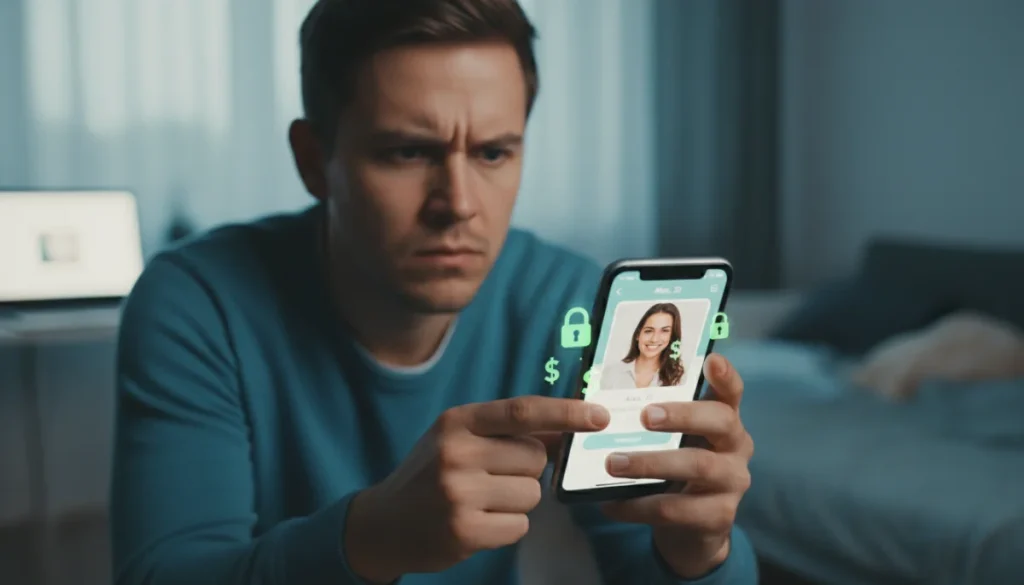
Understanding romance scam warning signs is critical to safeguard against emotional and financial exploitation, with primary indicators often including urgent requests for money, an insistence on secrecy, and persistent efforts to move communication off secure platforms.
Online dating and social platforms have revolutionized how we connect, but with these opportunities come risks. Recognizing romance scam warning signs is no longer just advisable; it’s essential for protecting your heart and your finances in the digital age.
The Allure of the Unknown: How Scammers Operate
Romance scammers are master manipulators, preying on vulnerabilities and emotions to build trust before exploiting their victims. They often create elaborate fake personas, complete with stolen photos and compelling backstories, designed to appeal to specific demographics. Their initial approach is usually charming and attentive, creating an intense emotional bond very quickly.
These fraudsters typically spend weeks or even months cultivating a relationship, making their targets feel special, loved, and understood. This emotional investment makes it incredibly difficult for victims to see the red flags when they eventually appear. They leverage psychological tactics, such as love bombing, to overwhelm their targets with affection and attention, making them feel like they’ve found their soulmate.
Crafting the Perfect Persona
Scammers invest significant time in developing a believable, yet ultimately fictitious, identity. They often claim to be in professions that require extensive travel or working overseas, such as military personnel, engineers on oil rigs, or doctors with international assignments. These professions provide convenient excuses for why they cannot meet in person and why they might need financial assistance.
- Stolen photos: They use attractive images found online, often from social media profiles of real people.
- Compelling life stories: Narratives often involve tragic pasts, significant financial hardship, or urgent family matters.
- Exaggerated affection: They express deep feelings very early in the relationship, using terms like “soulmate” or “the one.”
The goal is to create a fantasy that is hard to resist, tapping into the victim’s desires for companionship and love. Once this emotional foundation is established, the scammer begins to introduce the elements of their financial scheme, often disguised as urgent needs or emergencies.
Understanding the psychological underpinnings of these scams is the first step in identifying them. Scammers exploit human needs for connection, validation, and love, turning these desires into weapons. They are patient, persistent, and incredibly skilled at maintaining their deception until they achieve their financial objective. The emotional toll on victims can be devastating, far beyond just the monetary losses.
The Red Flag of Financial Requests: When Love Asks for Money
One of the most definitive romance scam warning signs is any request for money. While it might start subtly, it almost always escalates. Scammers will invent elaborate stories to justify their need for financial assistance, playing on the victim’s empathy and the emotional bond they’ve carefully constructed. These requests can range from small sums to cover an “emergency” to large amounts for travel, medical bills, or business investments.
It’s crucial to remember that legitimate romantic partners, especially those you’ve never met in person, would rarely ask for money. If someone you’ve only known online starts requesting funds, it should immediately raise a significant red flag. They often create a sense of urgency, claiming they are in danger, stuck in a foreign country, or need money for a critical medical procedure.

These requests are typically framed as temporary loans, with promises of repayment that never materialize. The scammer might even promise to visit you once their “financial troubles” are resolved, further manipulating your hope and trust. They understand that once you’ve invested emotionally, you’re more likely to invest financially, making it harder to disengage.
Common Scenarios for Money Requests
Scammers have a playbook of scenarios designed to extract money. These often involve situations that evoke sympathy and a desire to help a loved one in distress. They are masters at crafting narratives that seem plausible, especially to someone who is emotionally invested.
- Medical emergencies: A sudden illness or accident affecting them or a family member, requiring urgent funds.
- Travel expenses: Needing money for a plane ticket to visit you, but facing unexpected customs fees or visa issues.
- Business opportunities: A lucrative investment that requires a upfront sum, promising shared wealth.
- Legal troubles: Being arrested or needing to pay a fine to be released, often in a foreign country.
Each scenario is designed to pressure the victim into sending money quickly, often with the added emotional blackmail that if you truly loved them, you would help. They will also often insist on specific, untraceable payment methods, such as wire transfers, gift cards, or cryptocurrency, which makes recovery of funds nearly impossible. Any request for money, regardless of the amount or the story behind it, is a critical warning sign that you are likely dealing with a romance scammer.
The Veil of Secrecy: Why Scammers Demand Confidentiality
Another significant romance scam warning signs is an insistence on secrecy. Scammers often pressure their victims to keep the relationship confidential, discouraging them from discussing it with friends, family, or even trusted advisors. This isolation is a deliberate tactic to prevent others from pointing out the inconsistencies and red flags that the victim, blinded by emotion, might overlook. They know that an outside perspective can quickly unravel their deception.
The scammer might frame this secrecy as a test of love, a desire for privacy in their budding relationship, or even a need to protect their reputation. They might say things like, “Our love is special, let’s keep it just between us,” or “My family wouldn’t understand, please don’t tell anyone.” These statements are designed to isolate the victim and make them feel uniquely connected to the scammer, further solidifying the emotional bond and making them less likely to seek advice.
Tactics to Enforce Secrecy
Scammers employ various psychological tactics to ensure their victims maintain secrecy. They understand that a strong support system is a threat to their operation, so they work to dismantle it, or at least keep it at bay. This control over information is vital for their success.
- Guilt trips: Making the victim feel guilty for even considering telling someone else.
- Emotional manipulation: Suggesting that telling others would jeopardize their “special” relationship.
- Creating distrust: Planting seeds of doubt about the intentions of the victim’s friends and family.
This enforced secrecy creates an echo chamber where the scammer’s narrative is the only one heard. Without external validation or questioning, the victim becomes more susceptible to the scammer’s influence. If your online love interest is constantly telling you not to share details of your relationship with anyone, it’s a major indicator that something is amiss. A healthy relationship thrives on openness and the support of loved ones, not on hidden secrets and isolation.
Moving Off-Platform: A Calculated Risk
A persistent and urgent desire to move conversations off the dating app or social media platform is a crucial romance scam warning sign. Scammers prefer to communicate via private email, text messages, or encrypted messaging apps like WhatsApp. There’s a calculated reason behind this: these platforms offer fewer security measures and less oversight than established dating sites, making it harder for the scammer’s activities to be detected and reported.
Dating apps and social media platforms often have sophisticated algorithms and human moderators designed to identify and flag suspicious behavior, such as requests for money or overly aggressive declarations of love. By moving the conversation off-platform, scammers can operate with greater impunity, reducing their risk of being banned or having their profiles removed. They might claim they don’t like the app’s interface, or that they want a more “personal” connection.
Why Off-Platform Communication is Dangerous
When you move off-platform, you lose the protective layers that dating sites provide. These sites often have terms of service that prohibit financial solicitations and provide reporting mechanisms for suspicious activity. Once you’re communicating privately, you’re on your own, and the scammer has more control over the narrative and the pace of the relationship.
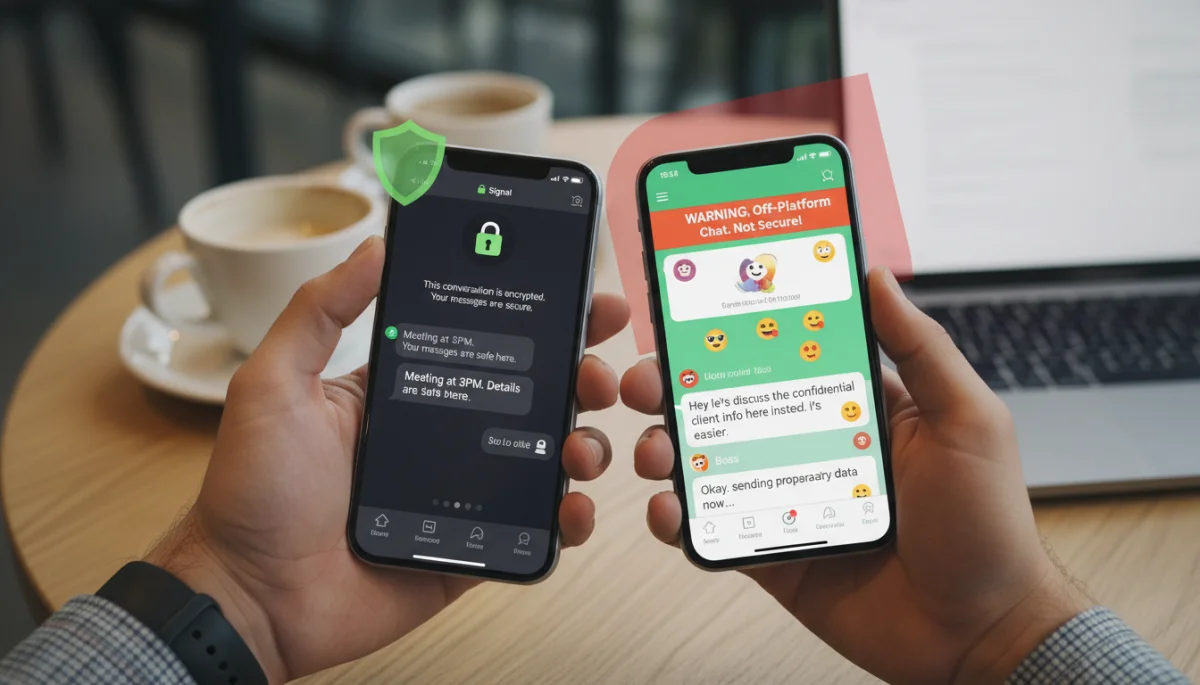
Furthermore, off-platform communication makes it harder to trace the scammer’s activity if you decide to report them to authorities. The evidence of their scamming behavior is scattered across various private channels, rather than consolidated on a single, monitored platform. It also makes it easier for them to engage in more aggressive tactics without fear of immediate repercussions.
If someone you’ve just started talking to online is pushing to move the conversation to email or text almost immediately, be wary. Take your time, get to know them on the secure platform first, and never feel pressured to share your personal contact information until you feel absolutely comfortable and have verified their identity as much as possible. This simple step can significantly reduce your vulnerability to romance scams.
Inconsistencies and Evasiveness: Cracks in the Facade
Beyond financial requests and secrecy, another set of romance scam warning signs involves inconsistencies in their stories and a general evasiveness when questioned. Scammers often manage multiple victims simultaneously, which can lead to mistakes in their narratives. They might contradict details about their past, their job, or their location. Pay close attention to these discrepancies, no matter how small they seem.
When pressed for details, scammers tend to become defensive, change the subject, or provide vague answers. They might get angry or try to make you feel guilty for questioning them, turning the situation around to make you feel like you’re the one being unreasonable. This deflection is a classic manipulation tactic designed to shut down scrutiny and maintain control over the conversation.
Spotting the Narrative Gaps
A legitimate relationship is built on transparency and honesty. If your online partner’s story doesn’t add up, or if they consistently avoid direct questions, these are strong indicators of deception. Keep a mental note, or even a physical one, of the details they share, and compare them over time.
- Contradictory details: They might forget previous information they shared about their family, job, or where they live.
- Vague answers: When asked specific questions, they respond with generalities or change the topic entirely.
- Lack of verifiable presence: They have a minimal digital footprint outside of the dating profile, or their social media profiles seem too new or too perfect.
They might also refuse to engage in video calls, citing poor internet connection, a broken camera, or an inability to speak due to their location or situation. While these excuses can occasionally be legitimate, consistent refusal is a major red flag. A person genuinely interested in a relationship will usually want to see and be seen by you. Trust your gut; if something feels off, it probably is.
The Pace of the Relationship: Too Fast, Too Intense
The speed at which a romance scammer tries to develop a relationship is yet another critical romance scam warning sign. Scammers often employ a tactic known as “love bombing,” where they shower their targets with excessive affection, compliments, and declarations of love very early in the interaction. This intensity is designed to create a strong emotional bond quickly, making the victim feel overwhelmed and deeply connected, often before they’ve had a chance to truly get to know the person.
They might declare their love within days or weeks, talk about marriage and a future together almost immediately, and make grand, sweeping statements about how you are their soulmate. While intense feelings can develop quickly in genuine relationships, the extreme and immediate nature of a scammer’s declarations is often a sign that they are trying to rush the emotional connection to facilitate their fraudulent intentions. They want to bypass the natural progression of getting to know someone, moving straight to a place of deep trust and dependence.
Recognizing Love Bombing
Love bombing is a powerful psychological tool that can make a victim feel incredibly special and desired, blurring the lines between genuine affection and manipulation. It’s important to step back and evaluate the pace of the relationship objectively.
- Instant declarations of love: “I love you” said within a few days or weeks of meeting online.
- Future planning: Immediate talk of marriage, moving in together, or having children, without a solid foundation.
- Excessive compliments and attention: Constant flattery and overwhelming communication that feels too good to be true.
A healthy relationship develops over time, with trust and intimacy building gradually. If someone is pushing for an accelerated emotional commitment, it’s a strong indicator that they may have ulterior motives. Take your time, observe their actions, and don’t let grand gestures overshadow your rational judgment. A true connection will withstand a slower, more natural pace.
Protecting Yourself: Practical Steps and Resources
Recognizing romance scam warning signs is only half the battle; knowing how to protect yourself is equally important. The best defense is a proactive approach that combines skepticism with practical safety measures. Never allow yourself to be rushed into making decisions, especially those involving money or personal information. Always prioritize your safety and financial well-being over the perceived demands of a new online relationship.
If you suspect you are being targeted by a romance scammer, the first step is to cease all communication immediately. Do not engage further, and do not try to reason with them. Block them on all platforms and report their profile to the dating site or social media platform where you initially connected. Your actions can help prevent others from falling victim to the same scammer.
Essential Safety Measures
There are several concrete steps you can take to safeguard yourself against romance scams. These measures are not about being cynical, but about being smart and cautious in the digital world, where deception can be sophisticated.
- Verify identities: Use reverse image searches to check profile pictures. If the image appears on multiple profiles under different names, it’s a scam.
- Never send money: Under no circumstances should you send money, gift cards, or cryptocurrency to someone you’ve only met online.
- Guard personal information: Be cautious about sharing too much personal information early on, such as your home address, workplace, or financial details.
- Talk to trusted friends/family: Discuss your online relationships with people you trust. An outside perspective can often spot red flags you might miss.
If you have already sent money or believe you have been scammed, contact your bank or financial institution immediately to report the fraud. You should also file a report with the Federal Trade Commission (FTC) at ReportFraud.ftc.gov and the FBI’s Internet Crime Complaint Center (IC3) at IC3.gov. These agencies can provide guidance and potentially help in investigating the scam. Remember, you are not alone, and help is available.
| Key Warning Sign | Brief Description |
|---|---|
| Requests for Money | Any plea for financial assistance, regardless of the story, is a major red flag. |
| Insistence on Secrecy | Pressure to keep the relationship confidential from friends and family. |
| Moving Off-Platform | Urgent attempts to switch from secure dating apps to private messaging. |
| Inconsistencies & Intensity | Contradictory stories, evasiveness, and a relationship progressing too quickly. |
Frequently Asked Questions About Romance Scams
The primary motive behind romance scams is financial exploitation. Scammers build emotional connections with their victims to gain trust, ultimately leading to requests for money, gift cards, or other valuable assets under various fabricated pretenses. They prey on the victim’s desire for love and companionship.
You can verify legitimacy by conducting a reverse image search on their profile pictures. Look for inconsistencies in their stories and social media presence. Insist on video calls to see if they match their photos. If they refuse or provide excuses, be highly suspicious.
Scammers prefer to move off dating platforms because these sites often have security measures to detect and flag suspicious activity. Moving to private channels like email or messaging apps allows them to operate with less oversight, making their fraudulent activities harder to trace and report.
If you’ve sent money, contact your bank or financial institution immediately to report the fraud and try to stop the transaction. Then, report the scam to the Federal Trade Commission (FTC) and the FBI’s Internet Crime Complaint Center (IC3) to aid in investigations.
Not all online relationships are risky, but it’s crucial to exercise caution and awareness. Many genuine connections are formed online. The key is to recognize the red flags of potential scams and prioritize your safety by verifying identities, guarding personal information, and never sending money to strangers.
Conclusion
Navigating the world of online connections requires a blend of openness and vigilance. Understanding romance scam warning signs, particularly financial requests, demands for secrecy, and pressure to move off-platform, is your strongest defense against falling victim to these emotionally and financially devastating schemes. By staying informed, trusting your instincts, and utilizing available resources, you can protect yourself and ensure your online interactions remain safe and genuinely fulfilling. Remember, true love doesn’t ask for your money or compromise your safety.
